
Last Updated on January 2, 2026
Your car’s engine works hard every day, and keeping it running smoothly depends on one small but powerful part: the engine oil filter. You might not think about it often, but this tiny component plays a huge role in protecting your engine and extending its life.
If you want to avoid costly repairs and keep your vehicle performing at its best, understanding how your engine oil filter works is a must. Keep reading to discover why this simple part deserves your attention and how it can save you time, money, and headaches down the road.
Credit: www.brownsvilletoyota.com
Role Of Engine Oil Filters
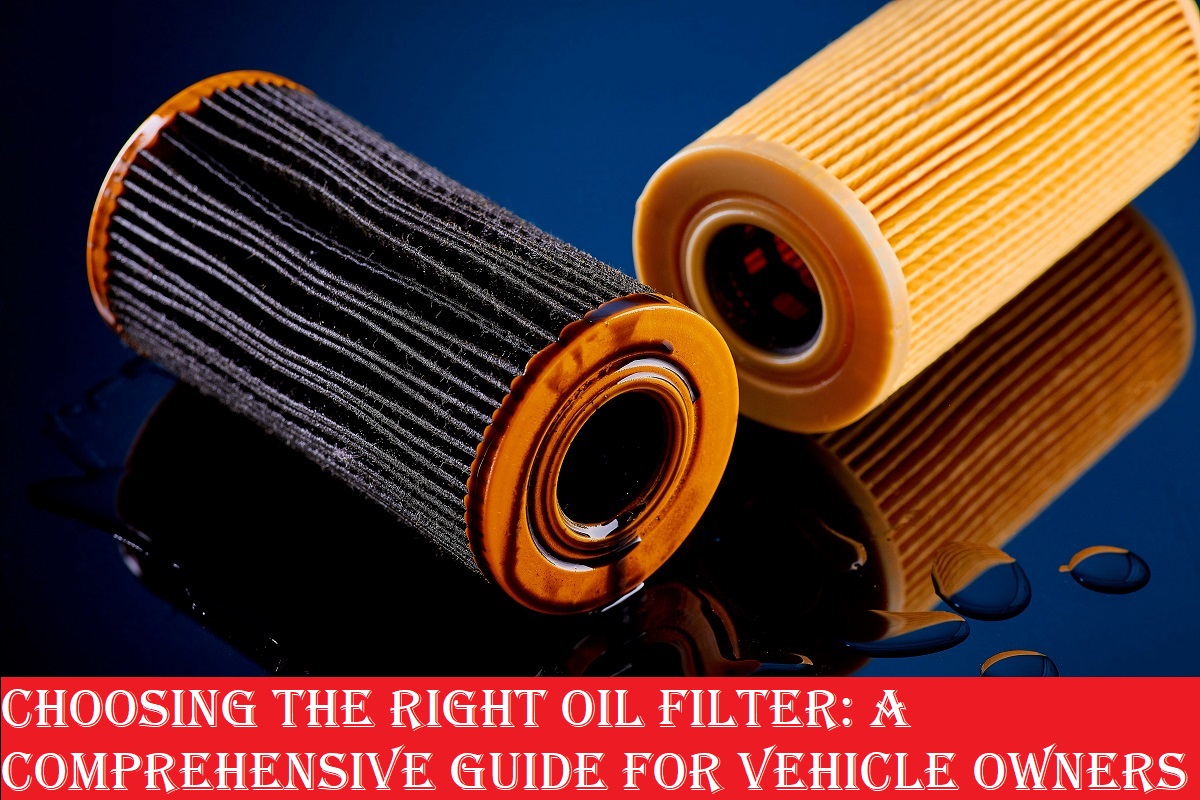
Engine oil filters play a key role in keeping your car’s engine healthy. They clean the oil by removing dirt, metal bits, and other small particles. Clean oil helps the engine run smoothly and last longer.
Without a good oil filter, these harmful particles can damage the engine parts. This leads to poor performance and costly repairs. The oil filter protects the engine by trapping these impurities.
How Oil Filters Work
Oil filters work by pushing oil through a special material inside the filter. This material catches dirt and metal particles. The clean oil then flows back into the engine.
The filter also controls the oil flow. It makes sure oil moves at the right speed. This helps the engine stay cool and lubricated.
Types Of Oil Filters
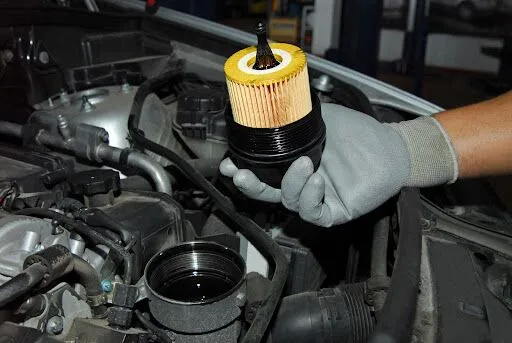
There are mainly three types of oil filters: mechanical, magnetic, and centrifugal. Mechanical filters use paper or cloth to trap dirt.
Magnetic filters use magnets to catch metal particles. Centrifugal filters spin the oil to separate dirt by force. Each type has its own way of keeping oil clean.
Credit: www.ramonatire.com
Benefits Of Clean Oil Filters
Clean oil filters play a vital role in maintaining your vehicle’s health. They remove dirt and debris from the engine oil. This keeps the oil pure and effective. Using clean oil filters extends the life of the engine. It also helps your car run smoothly and efficiently.
Protecting Engine Components
Oil filters trap harmful particles that can damage engine parts. Dirt and metal bits cause wear and tear on the engine. Clean filters prevent these particles from circulating. This protection reduces the risk of engine breakdowns. It also saves money on costly repairs.
Enhancing Engine Performance
Clean oil filters allow oil to flow freely through the engine. This improves lubrication and reduces friction between moving parts. A well-lubricated engine runs cooler and smoother. It also uses fuel more efficiently. Clean filters help maintain the engine’s power and responsiveness.
Signs Of A Failing Oil Filter
The oil filter plays a key role in keeping your engine clean. It traps dirt and particles from the oil. A failing oil filter can cause serious damage to your engine. Recognizing the signs of a bad oil filter helps avoid costly repairs. Here are some clear signs to watch for.
Common Symptoms
One sign is a drop in engine performance. The engine may run rough or lose power. Another symptom is unusual noises from the engine. You might hear knocking or ticking sounds. Dark, dirty oil on the dipstick also signals trouble. Oil pressure warning lights on the dashboard can appear. This means the oil flow is blocked or low.
When To Replace
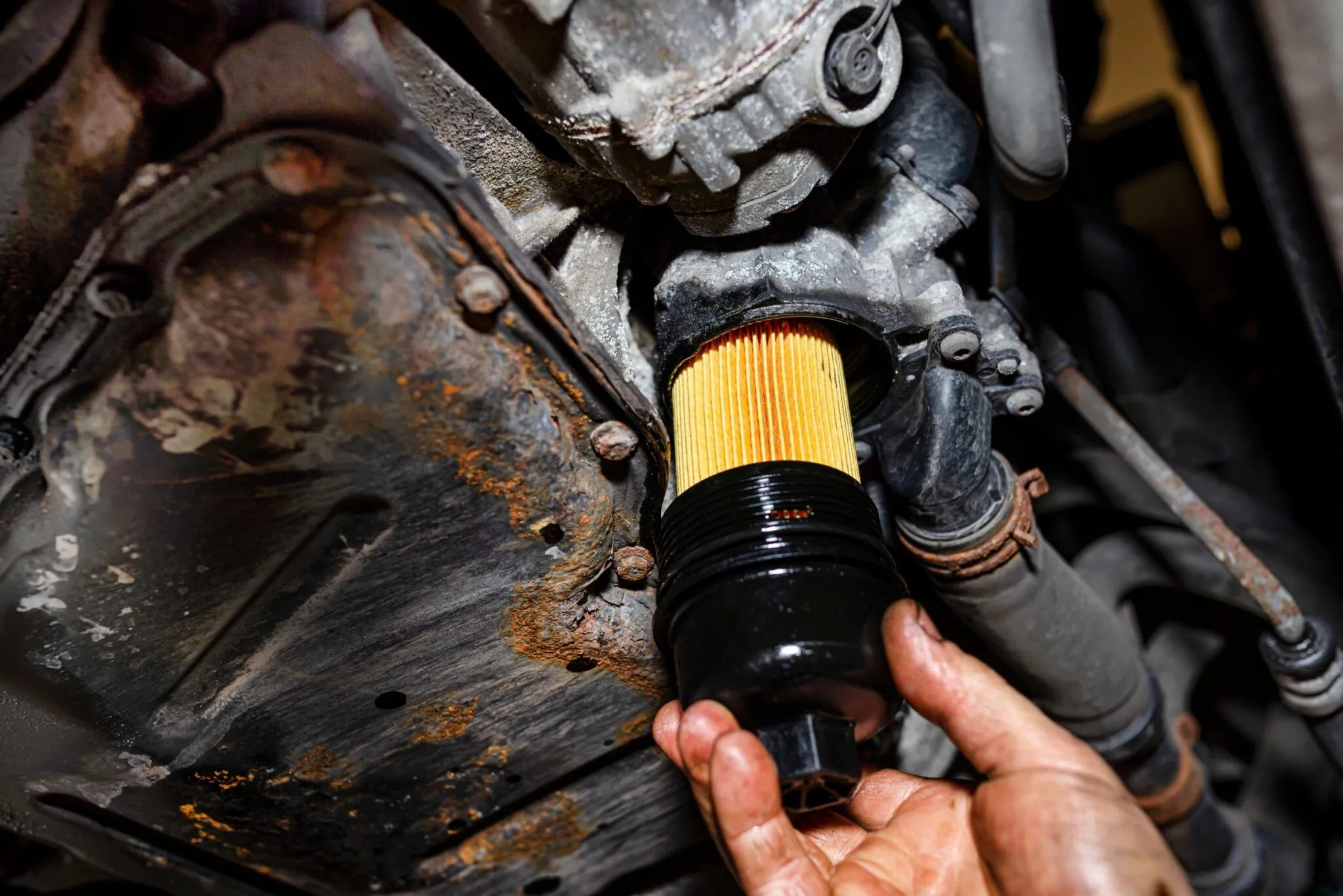
Replace the oil filter every time you change the oil. This is usually every 3,000 to 5,000 miles. Check your vehicle manual for exact timing. Replace the filter sooner if symptoms appear. Do not wait for serious engine problems. A fresh oil filter keeps the engine running smoothly. It protects the engine by filtering out harmful debris.
Credit: www.ramonatire.com
Frequently Asked Questions
What Does An Engine Oil Filter Do?
An engine oil filter cleans dirt and debris from the oil. This keeps the engine parts safe.
How Often Should I Change The Oil Filter?
Change the oil filter every time you change the oil, usually every 3,000 to 7,500 miles.
Can A Dirty Oil Filter Harm My Engine?
Yes, a dirty filter blocks oil flow and can cause engine damage over time.
What Types Of Engine Oil Filters Are Available?
There are spin-on and cartridge oil filters, each designed to fit different engines.
Why Is Using The Right Oil Filter Important?
The right filter fits properly and cleans oil well, protecting your engine effectively.
Conclusion
Engine oil filters keep your engine clean and healthy. They stop dirt and debris from causing damage. Changing filters regularly helps your car run smoothly. Clean oil means better engine performance and longer life. Neglecting the filter can lead to costly repairs.
Small care today saves big problems tomorrow. Trust your vehicle’s filter to protect the engine. Remember, simple maintenance keeps your car reliable and safe.


