
Last Updated on January 2, 2026
When it comes to your car’s engine, the timing system plays a crucial role in keeping everything running smoothly. But have you ever wondered whether a timing belt or a timing chain is better for your vehicle?
Choosing the right one can impact your car’s performance, maintenance costs, and even its lifespan. You’ll discover the key differences between timing belts and timing chains, so you can make an informed decision that fits your needs and keeps your engine healthy.
Keep reading—you’ll want to know which option truly comes out on top and why it matters for your ride.

Credit: ferberstireandauto.com
Timing Belt Basics
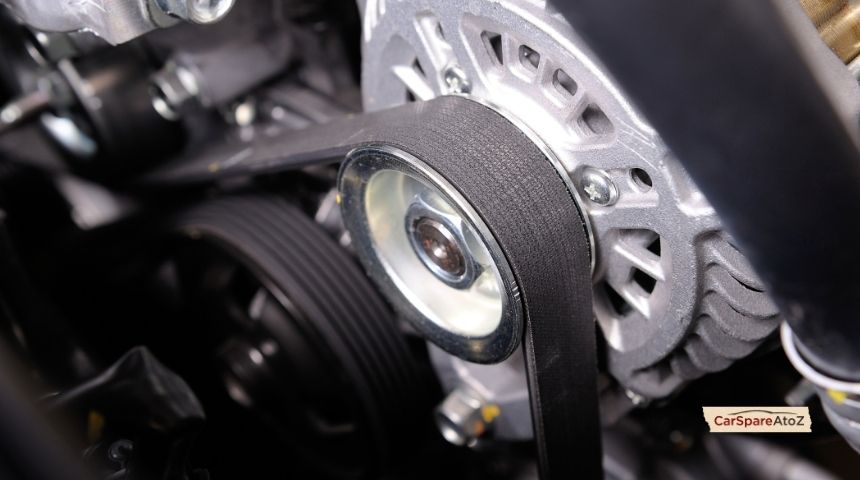
The timing belt plays a crucial role in an engine. It keeps the engine’s valves and pistons moving in sync. This synchronization ensures the engine runs smoothly. Understanding the basics of timing belts helps in comparing them with timing chains.
Material And Design
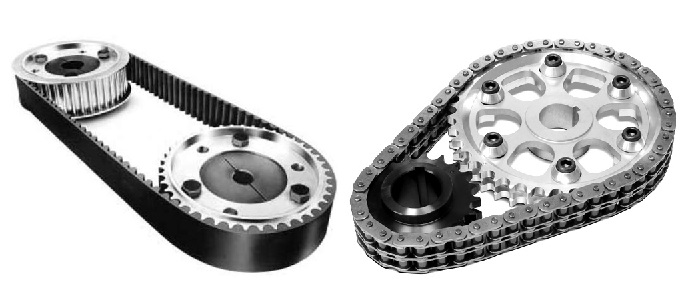
Timing belts are made from rubber with high-strength fibers inside. This design gives them flexibility and durability. The belt has teeth that fit into the engine’s gears. This tooth design prevents slipping and maintains precise timing. Rubber construction keeps the belt light and quiet during operation.
Common Applications
Timing belts are common in many modern cars. They are often found in smaller engines. Manufacturers choose belts because they are cost-effective and easy to replace. Timing belts also reduce engine noise compared to chains. Many vehicles require belt replacement every 60,000 to 100,000 miles to avoid failure.
Timing Chain Features
Timing chains are a key part of many car engines. They control the timing of engine valves. This helps the engine run smoothly and efficiently. Timing chains have unique features that make them different from timing belts.
They are made of metal links and work like a bicycle chain. This design gives them strength and durability. Understanding timing chain features helps in choosing the right engine parts.
Durability And Maintenance
Timing chains last longer than belts. Metal links resist wear and tear better. They can often last the whole life of the engine.
Chains need less frequent replacement. They do require proper lubrication from engine oil. Lack of oil can cause the chain to stretch or wear out faster.
Regular oil changes help keep the chain healthy. Chains may make noise if they become loose. This noise is a sign to check the chain tensioner or guides.
Typical Usage
Timing chains are common in modern cars and trucks. Automakers use them in engines that need high durability.
They fit well in engines with tight spaces or high power output. Chains handle heat and stress better than belts.
Many luxury and performance vehicles prefer timing chains. They reduce the chance of sudden failure during driving. This makes driving safer and more reliable.
Choosing Between Belt And Chain
Choosing between a timing belt and a timing chain depends on several factors. Both parts control the engine’s timing but differ in design and use. Your choice affects engine performance, maintenance, and cost. Understanding these differences helps you make a smart decision for your vehicle.
Cost Considerations
Timing belts usually cost less than timing chains. Belts are made of rubber and need replacement every 60,000 to 100,000 miles. Chains are metal and last longer, often for the car’s life. Replacing a chain can be more expensive if it fails. Belts require regular maintenance, which adds to the cost over time. Chains need less frequent attention but cost more upfront.
Performance And Longevity
Timing chains offer better durability and strength. They handle higher engine stress well. Chains run inside the engine, protected from dirt and heat. Belts can wear out faster because of exposure to heat and oil. Chains provide more precise timing, which improves engine efficiency. Belts are quieter but may stretch and slip over time. Longevity favors chains, but belts are lighter and quieter.

Credit: www.youtube.com
Credit: www.automaniac.org
Frequently Asked Questions
What Are The Main Differences Between Timing Belts And Chains?
Timing belts are made of rubber and need replacement; chains are metal and last longer.
Which Is More Durable: Timing Belt Or Timing Chain?
Timing chains last longer and handle heat better than timing belts.
How Often Should Timing Belts Be Replaced?
Timing belts usually need replacement every 60,000 to 100,000 miles.
Can A Timing Chain Break Like A Timing Belt?
Timing chains rarely break but can stretch or wear out over time.
Which Is Quieter: Timing Belt Or Timing Chain?
Timing belts run quieter because rubber absorbs noise better than metal chains.
Conclusion
Timing belts and timing chains both keep your engine running smoothly. Belts are quieter and cheaper but wear out faster. Chains last longer and need less fixing but can be noisy. Your choice depends on your car type and budget.
Regular checks help avoid engine problems. Choose what fits your needs best. Keep your engine healthy with the right timing part. Simple care leads to better performance and fewer repairs.


