
Last Updated on January 2, 2026
When you’re behind the wheel, every part of your car plays a role in keeping you safe. One key component you might not think about often is the tie rod.
But did you know that your tie rods are crucial for steering control and safety? If they fail, you could lose control of your vehicle in a dangerous way. Understanding how tie rods work and why they matter can help you protect yourself and your loved ones on the road.
Keep reading to discover the vital role tie rods play in steering safety—and what you can do to keep them in top shape.
Credit: www.branghamautorepair.com
Function Of Tie Rods
Tie rods play a key role in steering safety. They connect parts inside the steering system. Their job is to help you turn the wheels smoothly. Without tie rods, steering would be hard and unsafe.
These parts work quietly but are very important. They help the driver control the car. Let’s explore how tie rods function in the steering system.
Connecting Steering Components
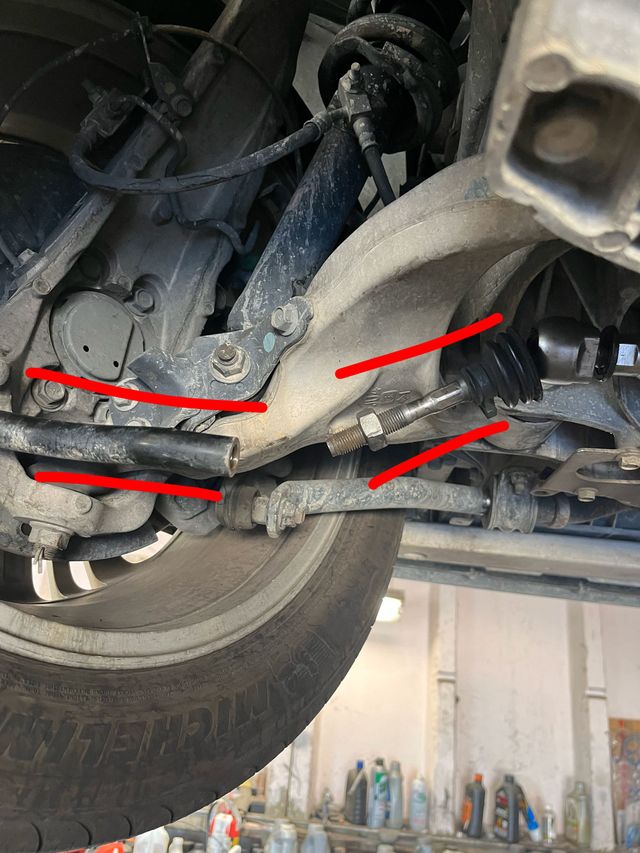
Tie rods link the steering rack to the wheel hubs. This connection allows the wheels to turn left or right. They act as a bridge between moving parts. Without tie rods, the steering system would not work correctly.
These rods must be strong and precise. They keep the wheels aligned with the steering wheel. This connection ensures the car moves in the direction the driver wants.
Transmitting Steering Force
Tie rods carry the force from the steering wheel to the wheels. When you turn the steering wheel, the rods push or pull the wheels. This movement changes the car’s direction.
The tie rods must handle this force without bending or breaking. If they fail, steering control is lost. Strong tie rods keep the driver safe by ensuring smooth steering response.
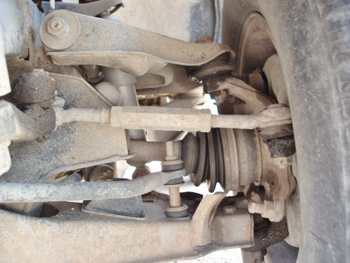
Credit: www.tirereview.com
Signs Of Tie Rod Wear
Tie rods are vital for safe steering. They connect the steering gear to the wheels. Over time, tie rods wear out and affect vehicle control. Recognizing early signs of tie rod wear helps prevent accidents. Watch for changes in driving feel and tire condition.
Steering Wheel Vibration
Vibrations in the steering wheel often signal tie rod issues. Worn tie rods cause loose connections. This leads to shaking or wobbling while driving. Vibrations may increase with speed or on rough roads. Ignoring this can worsen steering control.
Uneven Tire Wear
Tie rod wear causes uneven pressure on tires. This leads to irregular tire tread wear. Check tires for bald spots or uneven grooves. Uneven tire wear reduces grip and safety. Replacing worn tie rods stops further tire damage.
Loose Steering Feel
A loose or sloppy steering feel points to tie rod problems. The steering wheel may feel less responsive or have extra play. This reduces driver control and road safety. Prompt inspection and repair of tie rods restore tight steering.
Maintaining Tie Rod Safety
Maintaining tie rod safety is key to keeping your vehicle’s steering reliable and safe. Tie rods connect the steering gear to the wheels. They help control the direction of your vehicle. Over time, tie rods wear out and can cause steering problems. Regular care keeps them working well and prevents accidents.
Regular Inspections
Check tie rods often for wear and damage. Look for loose parts, cracks, or rust. Listen for unusual noises when turning the wheel. Early detection stops small problems from becoming serious. Inspections can be done during routine vehicle maintenance.
Timely Replacement
Replace worn or damaged tie rods quickly. Driving with bad tie rods risks steering failure. New tie rods restore control and safety. Follow the manufacturer’s advice on replacement timing. Do not wait until the problem worsens.
Professional Alignment
After replacing tie rods, get a professional wheel alignment. Proper alignment ensures even tire wear and smooth steering. Misaligned wheels cause uneven tire wear and poor handling. A technician adjusts the wheels to factory settings for best performance.

Credit: www.tirereview.com
Frequently Asked Questions
What Is The Primary Function Of Tie Rods In Steering?
Tie rods connect the steering gear to the wheels, allowing smooth and accurate wheel turns.
How Do Tie Rods Affect Vehicle Safety?
They keep the wheels aligned, preventing steering issues and reducing accident risks.
What Are Common Signs Of Worn Tie Rods?
Loose steering, uneven tire wear, and unusual noises while turning signal worn tie rods.
How Often Should Tie Rods Be Inspected Or Replaced?
Check tie rods during regular vehicle maintenance; replace them if any damage or wear is found.
Can Bad Tie Rods Cause Steering Failure?
Yes, damaged tie rods can lead to poor steering control and increase crash chances.
Conclusion
Tie rods keep your steering steady and safe on the road. They connect key parts to help your wheels turn smoothly. Worn or damaged tie rods can cause serious steering problems. Regular checks and timely replacements protect you and your passengers.
Safe steering means better control and less risk of accidents. Always pay attention to signs of tie rod wear. Taking care of these parts helps your vehicle run well. Drive with confidence knowing your steering system works properly.