
Last Updated on January 2, 2026
Have you ever felt your steering wheel vibrating or noticed it pulling to one side while driving? These are signs that your steering system might be having problems.
Ignoring these symptoms can lead to unsafe driving and costly repairs. But don’t worry—understanding the common steering issues and how to fix them can save you time, money, and stress. You’ll discover the most frequent steering problems, how to spot them early, and simple solutions you can use to keep your vehicle running smoothly and safely.
Keep reading—your next safe drive starts here.
Credit: www.mangoautomotive.com
Signs Of Steering Issues
Steering problems can affect your car’s safety and control. Early signs help you avoid bigger issues. Watch for changes in how your steering feels or sounds. These signs show your steering system needs attention.
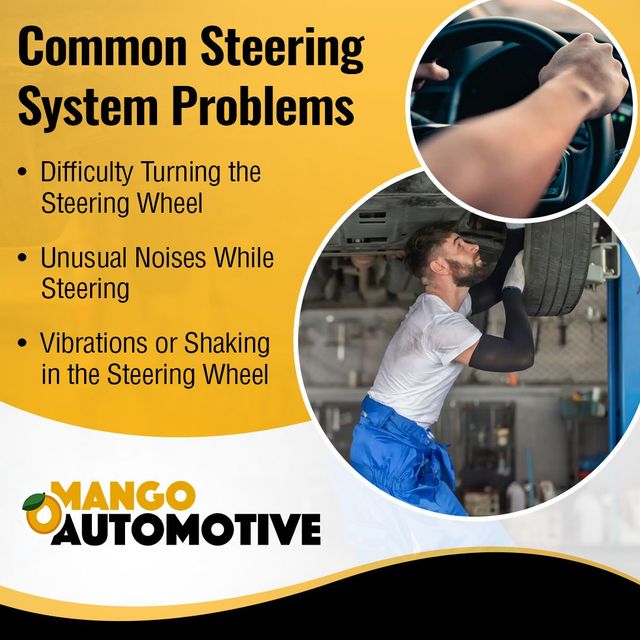
Unusual Noises
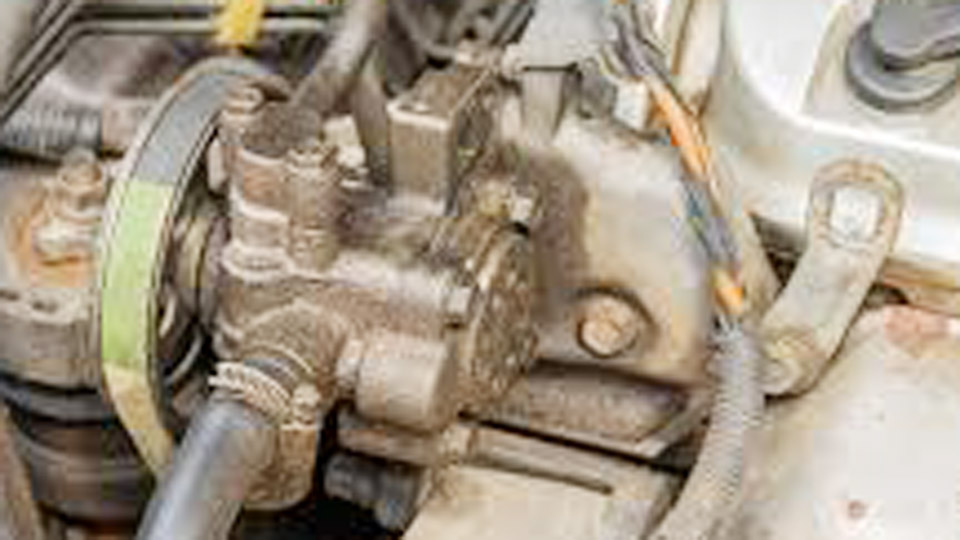
Strange sounds when you turn the wheel are a warning. Squealing, grinding, or clunking noises often mean worn parts. These noises can come from the power steering pump or belt. Ignoring them can lead to steering failure.
Difficulty Turning
Hard steering means extra effort to turn the wheel. It can happen at low speeds or while parking. This problem may come from low power steering fluid or a failing pump. Difficulty turning affects driving safety and comfort.
Steering Wheel Vibrations
Vibrations in the steering wheel mean trouble. They can happen while driving fast or slow. Vibrations often result from unbalanced tires or worn suspension parts. This issue reduces control and should be fixed quickly.

Credit: www.cbac.com
Causes Behind Steering Problems
Steering problems can make driving unsafe and stressful. Understanding the causes helps you spot issues early. Many steering problems arise from worn parts, fluid issues, or alignment faults. Each cause affects how your vehicle handles and responds on the road.
Worn Steering Components
Steering parts wear out with time and use. Tie rods, ball joints, and steering racks can become loose or damaged. Worn components cause shaky or loose steering. They may also create strange noises when turning. Regular checks prevent small issues from becoming big problems.
Low Power Steering Fluid
Power steering fluid helps your steering system work smoothly. Low fluid levels cause stiff or hard steering. Leaks often cause fluid loss. Check the fluid reservoir regularly. Adding fluid can restore easy steering and reduce noise.
Alignment Issues
Wheel alignment affects steering control. Poor alignment causes the car to pull left or right. Uneven tire wear is a sign of alignment problems. Hitting curbs or potholes can misalign wheels. Proper alignment improves steering response and tire life.
Fixes For Steering Troubles
Steering problems can make driving unsafe and uncomfortable. Fixing these issues quickly keeps you safe on the road. Simple repairs often solve common steering troubles. Understanding the right fixes helps you maintain your vehicle better.
Fluid Replacement And Top-up
Steering fluid is essential for smooth steering. Low or dirty fluid causes stiff or noisy steering. Check the fluid level regularly. Replace old fluid to remove dirt and debris. Top-up the fluid to the right level for easy steering.
Component Repair And Replacement
Worn or broken parts affect steering control. Tie rods, ball joints, or the steering rack may need repair. Replace damaged components to restore steering function. Regular inspection helps catch problems early. Use quality parts for lasting repairs.
Wheel Alignment Services
Misaligned wheels cause pulling and uneven tire wear. Proper alignment improves handling and tire life. Professional alignment adjusts the wheels to factory settings. It ensures the vehicle drives straight and smooth. Schedule alignment checks after hitting curbs or potholes.

Credit: simonsautorepairtaunton.com
Frequently Asked Questions
What Are Common Signs Of Steering Problems?
Steering that feels loose, stiff, or makes noise often signals a problem needing attention.
Why Does My Steering Wheel Shake While Driving?
Shaking can mean unbalanced tires, worn parts, or alignment issues affecting control.
How To Fix A Stiff Steering Wheel Quickly?
Check power steering fluid and belts; low fluid or worn belts can cause stiffness.
Can Low Power Steering Fluid Cause Steering Issues?
Yes, low fluid reduces steering help, making the wheel hard to turn and noisy.
When Should I See A Mechanic For Steering Problems?
Seek help if steering feels unusual, noisy, or if the car pulls to one side.
Conclusion
Steering problems can affect your car’s safety and comfort. Watch for signs like stiffness, noise, or pulling to one side. Fixing issues early saves money and prevents accidents. Regular checks help keep steering smooth and reliable. Trust a mechanic if you feel unsure about repairs.
Drive with confidence by maintaining your steering system well. Don’t ignore small problems—they often lead to bigger trouble. Stay safe and enjoy a smooth ride every time. Simple care makes a big difference.