Last Updated on January 2, 2026
Have you ever wondered if your tires are still safe to drive on? Checking your tire tread depth is one of the easiest ways to keep you and your loved ones safe on the road.
Worn-out treads can lead to poor traction, longer stopping distances, and even dangerous hydroplaning. But don’t worry—knowing how to check your tire tread depth is simple and quick. Keep reading, and you’ll learn exactly how to do it and why it’s so important for your safety and your vehicle’s performance.
.png)
Credit: www.greatwater360autocare.com
Measuring Tire Tread Depth
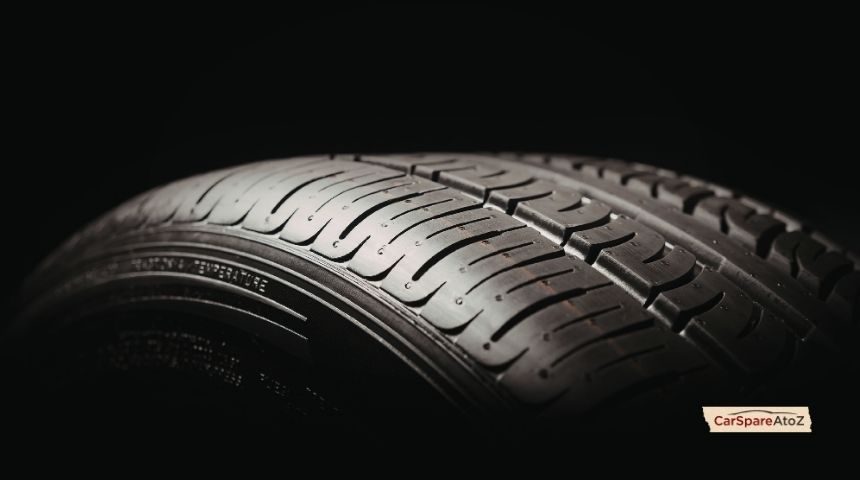
Measuring tire tread depth is a simple but important task. It helps keep your vehicle safe on the road. Good tread depth improves grip on wet or slippery surfaces. It also reduces the chance of hydroplaning. Regularly checking tread depth means you can replace tires before they become dangerous.
Tools For Checking Tread
Several tools make measuring tread depth easy. The most common is a tread depth gauge. It shows the exact depth in millimeters or 32nds of an inch. A coin can also work as a quick test. For example, a penny or a quarter helps estimate tread depth. Each tool gives a fast way to check if tires are still good.
Step-by-step Measurement
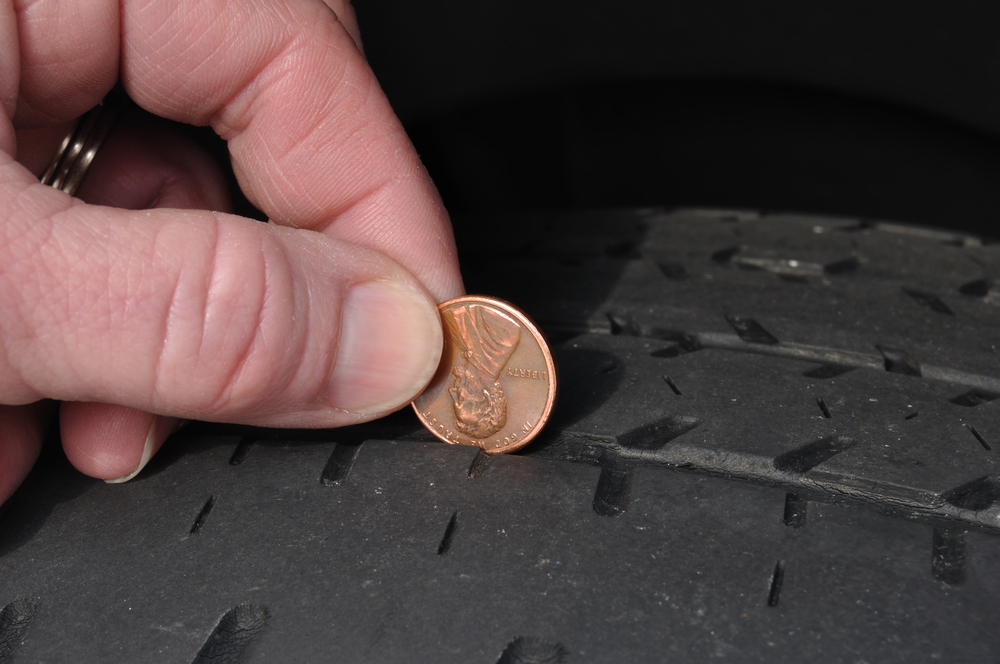
Start by cleaning the tire surface. Dirt can hide the true tread depth. Insert the tread depth gauge into the deepest tread groove. Push it down until the base of the tool touches the tire. Read the measurement on the gauge scale. Using a coin, place it in the groove with the head down. If the top of the head is visible, tread is low. Repeat this in different spots around the tire for accuracy.
Interpreting Results
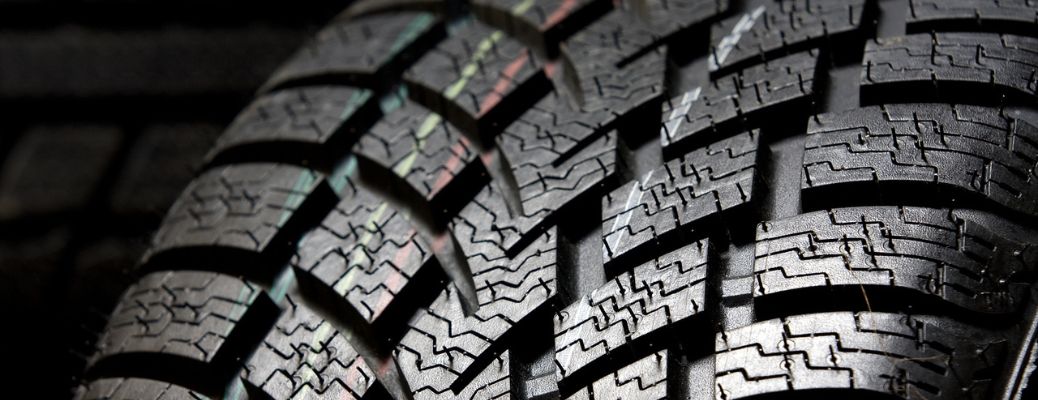
New tires usually have 10/32 inch or more tread depth. Most experts say replace tires below 2/32 inch. Tires with less tread risk losing traction on wet roads. Some states require a minimum tread depth by law. Check your local rules to stay legal. If tread is near or below the limit, plan to change tires soon.
Credit: www.flagshiphondapr.com
Tread Depth And Safety
Tread depth plays a key role in tire safety. It affects how well your tires grip the road. Worn tread can lead to dangerous driving conditions. Checking tread depth helps keep your vehicle safe. It shows you when to replace tires before problems start.
Impact On Traction
Deep tread gives tires better traction on roads. It helps the tires hold the surface firmly. This is important on dry, wet, and slippery roads. Shallow tread reduces grip and increases slipping risks. Good traction means better control and safer driving.
Hydroplaning Risks
Tread channels water away from the tire’s surface. This stops the tires from riding on water only. Low tread depth means less water is pushed aside. Tires lose contact with the road more easily. This causes hydroplaning, which leads to loss of control.
Legal Tread Requirements
Most places have laws about minimum tread depth. The legal limit is often 2/32 of an inch. Tires below this depth are unsafe and illegal. Driving with worn tires can result in fines. Checking tread depth keeps you within legal rules.
Maintaining Proper Tread
Maintaining proper tread on your tires is important for safe driving. Tread helps your tires grip the road. It also prevents slipping on wet or icy roads. Worn-out tread can cause accidents and reduce control of your vehicle. Checking and caring for tread regularly keeps your car safe and improves performance.
When To Replace Tires
Replace tires when tread depth is below 2/32 of an inch. Use a tread depth gauge or the penny test to check. If you see uneven wear or cracks, replace tires sooner. Bald tires increase the risk of hydroplaning and poor handling. Do not wait too long to change them.
Tips For Extending Tread Life
Rotate tires every 5,000 to 8,000 miles to wear evenly. Keep tires inflated to the recommended pressure for best tread wear. Avoid hard braking and sharp turns that wear tread faster. Balance and align wheels regularly to prevent uneven tread loss. Store tires properly if you change them seasonally.
Regular Inspection Routine
Check tire tread depth at least once a month. Look for signs of damage like cuts or bulges. Inspect tires before long trips to avoid breakdowns. Use simple tools like a tread depth gauge or a coin. Keeping a routine helps catch problems early and keeps your tires healthy.
Credit: eastcharlottenissanservice.com
Frequently Asked Questions
How Do I Measure Tire Tread Depth Accurately?
Use a tread depth gauge or a coin to check the grooves on your tire.
Why Is Tire Tread Depth Important For Safety?
Tread depth helps your tires grip the road and avoid slipping on wet surfaces.
When Should I Replace Tires Due To Low Tread Depth?
Replace tires when tread depth is below 2/32 of an inch for safe driving.
Can Shallow Tread Depth Cause Hydroplaning?
Yes, low tread depth reduces water grip, increasing the risk of hydroplaning.
How Often Should Tire Tread Depth Be Checked?
Check tire tread depth every month or before long trips for safe travel.
Conclusion
Checking tire tread depth keeps you safe on the road. It helps your car grip the road better and avoid accidents. Use a simple tool or a coin to check your tread. Replace tires when the tread is too low.
Regular checks can save you money and stress. Don’t wait for problems to appear. Stay safe by watching your tire tread often. Simple steps make a big difference in driving safety. Keep your tires healthy, and enjoy a smoother ride.