Last Updated on January 2, 2026
Have you ever wondered what makes turning your car’s steering wheel feel so smooth and effortless? Power steering is the secret behind that easy glide.
Understanding how power steering works can help you appreciate your vehicle more and even spot issues before they become big problems. You’ll get a simple, clear explanation of how power steering helps you control your car with minimal effort. Keep reading, and you’ll discover just how this clever system makes driving safer and more comfortable for you every day.
Credit: www.agcoauto.com
Basics Of Power Steering
Power steering helps drivers turn the wheel with less effort. It makes driving easier and safer. Understanding the basics of power steering shows how it supports vehicle control.
This system uses different parts working together. They reduce the force needed to steer. The result is smooth and easy handling.
What Is Power Steering?
Power steering is a system that aids steering. It uses hydraulic or electric power. This power helps turn the wheels quickly and easily. Without it, drivers must use more strength.
Hydraulic Power Steering
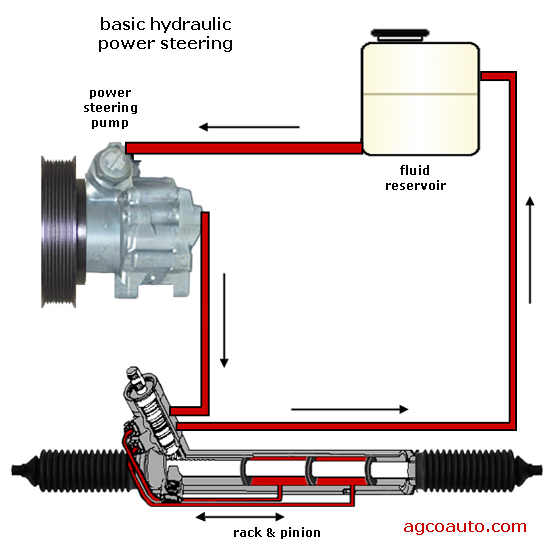
This type uses fluid pressure to assist turning. A pump moves fluid through hoses to the steering gear. The pressure helps move the wheels as the driver turns the wheel. It feels lighter and smooth.
Electric Power Steering
Electric power steering uses an electric motor instead of fluid. Sensors detect the driver’s steering effort. The motor then adds power to help turn the wheels. This system is more efficient and needs less maintenance.
Key Components
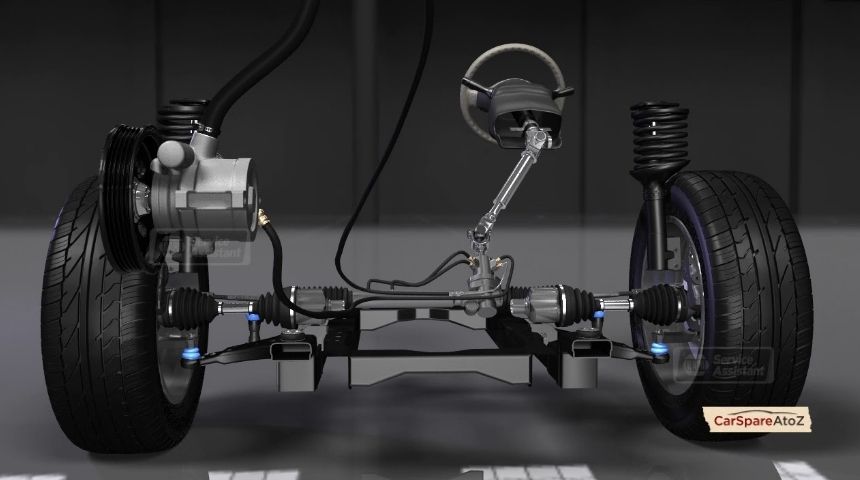
Power steering has several important parts. The steering wheel connects to the steering column. The pump or motor provides the needed power. The steering gear moves the wheels. Sensors and fluid work together for smooth action.

Credit: dsauto.com.my
Types Of Power Steering Systems
Power steering makes driving easier by helping turn the wheels. Different types of power steering systems exist. Each type uses a unique method to assist the driver. Understanding these systems helps you know how your car works.
Three main types of power steering systems are common today. They include hydraulic, electric, and electro-hydraulic power steering. Each has its own benefits and ways to help steer.
Hydraulic Power Steering
This system uses a pump powered by the engine. The pump moves hydraulic fluid to help turn the wheels. It works through pressure inside the system. This pressure makes steering smoother and requires less effort.
Hydraulic systems have been popular for many years. They provide strong assistance but can use more energy. These systems also need regular fluid checks and maintenance.
Electric Power Steering
Electric power steering uses an electric motor instead of a pump. The motor helps turn the wheels by adding force. Sensors detect the driver’s steering input and adjust power accordingly.
This system is more energy-efficient than hydraulic ones. It reduces fuel consumption and lowers emissions. Electric power steering also needs less maintenance and is lighter in weight.
Electro-hydraulic Power Steering
This system combines hydraulic and electric features. An electric motor drives the hydraulic pump. This setup reduces engine load compared to traditional hydraulic systems.
Electro-hydraulic systems offer good steering feel and energy savings. They are often found in vehicles transitioning from hydraulic to electric systems. Maintenance is simpler than in fully hydraulic systems.
Benefits Of Power Steering
Power steering makes driving easier and safer. It helps drivers turn the steering wheel with less effort. This system is especially useful in tight spots and during long drives. Below are some key benefits of power steering.
Improved Driving Comfort
Power steering reduces the force needed to turn the wheel. Drivers feel less tired, even after hours on the road. This makes driving more comfortable for everyone.
Better Control And Safety
With power steering, drivers can steer more precisely. It helps in sudden turns and emergency maneuvers. This control can prevent accidents and improve safety.
Easier Parking
Power steering makes parking simpler. Turning the wheel in small spaces becomes smooth and quick. Drivers can park with less stress and effort.
Less Strain On Drivers
Without power steering, turning the wheel can be hard. This strain can cause discomfort and fatigue. Power steering reduces this strain, helping drivers stay alert.
Enhanced Vehicle Handling
Power steering improves how a car responds to steering input. It adapts to different speeds and conditions. This leads to a better driving experience overall.

Credit: www.youtube.com
Frequently Asked Questions
What Is The Main Purpose Of Power Steering In Vehicles?
Power steering helps drivers turn the steering wheel easily with less effort and more control.
How Does Hydraulic Power Steering Work Simply Explained?
Hydraulic power steering uses fluid pressure to boost the force needed to turn the wheels.
What Are The Benefits Of Power Steering Systems?
Power steering reduces driver fatigue, improves handling, and makes parking much easier.
Can Power Steering Fail And Why Does It Happen?
Yes, leaks or pump failure can cause power steering to stop working properly.
How Is Electric Power Steering Different From Hydraulic Steering?
Electric power steering uses a motor instead of fluid, making it more efficient and easier to maintain.
Conclusion
Power steering makes driving easier and safer. It helps you turn the wheel with less effort. The system uses fluid or electricity to assist your steering. This simple technology improves control and comfort. Now, you understand how power steering works.
Next time you drive, notice how smoothly the wheels respond. It’s a small but important part of your car. Safe and easy steering is possible because of this system. Keep this knowledge in mind for better driving experience.