
Have you ever wondered what happens when you press your car’s brake pedal? Understanding how your car’s brake system works can make you a safer driver and help you take better care of your vehicle.
This complete guide breaks down the basics in simple terms, so you don’t need to be a mechanic to get it. By the end, you’ll know exactly how your brakes keep you safe on the road—and what to watch out for to avoid costly repairs.
Ready to unlock the secrets behind your car’s stopping power? Let’s dive in!

Credit: www.autonationmobileservice.com
Brake System Components
The brake system in a car is made of several important parts. Each part has a specific job. These parts work together to stop the car safely and quickly. Knowing the main components helps you understand how brakes work. This section explains the key parts of a car’s brake system.
Brake Pads And Rotors
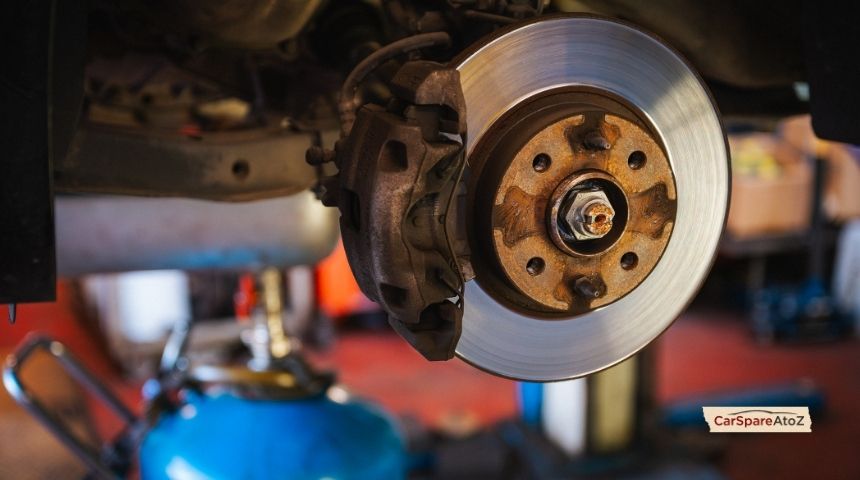
Brake pads are the parts that press against the rotors. Rotors are round metal discs attached to the wheels. When the brake pedal is pressed, the pads squeeze the rotors. This action slows down the wheels and stops the car. Brake pads wear out over time and need replacing. Rotors can also get worn or damaged and may require service.
Hydraulic System
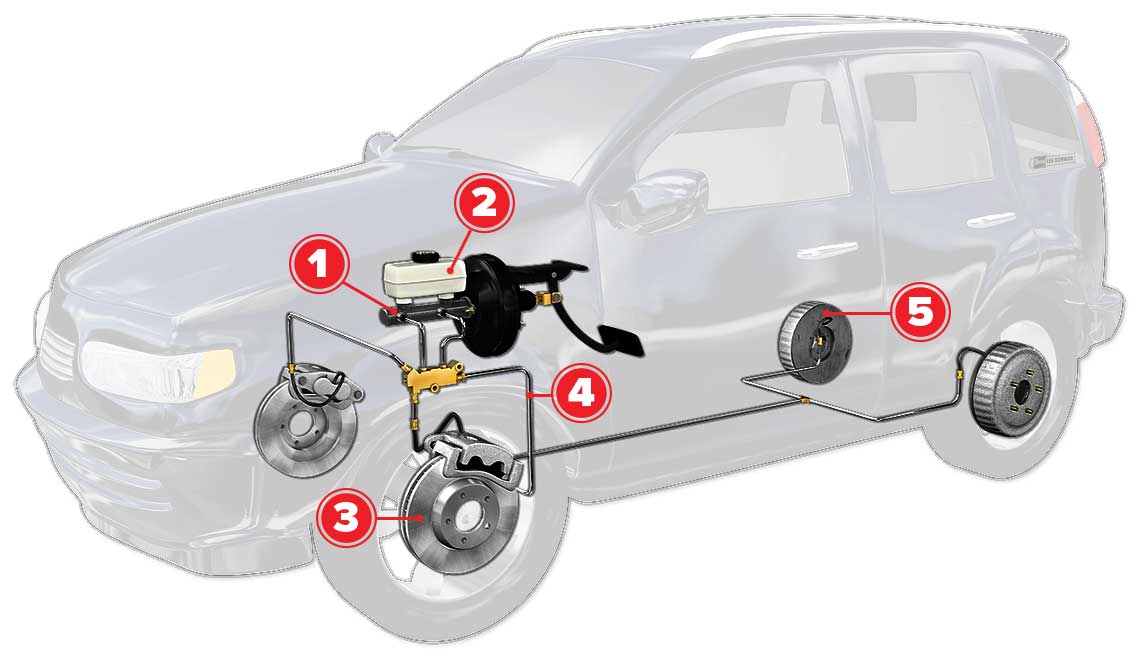
The hydraulic system moves the force from the brake pedal to the brake pads. It uses brake fluid to carry this force through pipes and hoses. This system makes it easier to press the brake pedal. It also helps apply strong pressure to the brake pads. Without the hydraulic system, stopping the car would need much more effort.
Master Cylinder And Brake Lines
The master cylinder is the main part that controls brake fluid pressure. When you push the brake pedal, it pushes fluid through the brake lines. Brake lines are tubes that carry this fluid to each wheel’s brakes. If the master cylinder or brake lines fail, the brakes won’t work properly. Keeping them in good condition is very important for safe driving.
.png)
Credit: webrakes.com
How Brakes Stop A Car
Understanding how brakes stop a car helps you appreciate your vehicle’s safety. The process turns your foot’s push into a strong force that slows the wheels. This involves a few key steps that work smoothly together. Each part plays a role in bringing your car to a stop.
Pedal Pressure And Hydraulic Force
Pressing the brake pedal starts the stopping process. Your foot pushes the pedal down. This action pushes brake fluid through small tubes. The fluid moves with pressure inside the brake lines. This pressure pushes the brake parts to touch the wheels. The harder you press, the stronger the pressure becomes.
Friction Generation
Brake pads press against the brake discs or drums. This contact creates friction. Friction is a force that slows down moving parts. It stops the wheels from spinning freely. The friction changes the car’s energy into heat. This is how the car loses speed and stops.
Heat Dissipation
Friction makes a lot of heat. The brake parts get very hot during stopping. The system is designed to spread out this heat. Brake discs and drums cool down fast in the air. Cooling prevents damage to brake parts. Without good heat dissipation, brakes would fail quickly.
Types Of Brake Systems
Brake systems are key to vehicle safety. They help stop the car smoothly and quickly. Different types of brake systems work in different ways. Knowing these types helps you understand how your car stops.
Disc Brakes Vs Drum Brakes
Disc brakes use a metal disc and pads to stop the car. The pads press against the disc to create friction. This slows down the wheel. Disc brakes cool faster and work better in wet conditions.
Drum brakes have a drum that spins with the wheel. Brake shoes push out inside the drum to stop the car. Drum brakes cost less but can overheat more easily. They are common on older cars and rear wheels.
Anti-lock Braking System (abs)
ABS stops the wheels from locking during hard braking. It helps keep control and steer while stopping. Sensors detect wheel speed and adjust brake pressure automatically. ABS improves safety on slippery roads.
Electronic Brakeforce Distribution (ebd)
EBD balances brake force between front and rear wheels. It adjusts pressure based on load and road conditions. This helps the car stop evenly and avoid skidding. EBD works with ABS for better control.
Credit: www.lesschwab.com
Frequently Asked Questions
How Do Car Brakes Stop The Vehicle?
Car brakes use friction to slow down the wheels. Brake pads press against discs to stop motion.
What Are The Main Parts Of A Car Brake System?
The main parts include brake pads, discs, calipers, brake lines, and the master cylinder.
Why Do Brakes Sometimes Make Noise When Used?
Noises often come from worn brake pads or dirt caught between pads and discs.
How Often Should Brake Pads Be Replaced?
Brake pads usually need replacing every 30,000 to 70,000 miles, depending on driving habits.
Can Brake Fluid Affect Braking Performance?
Yes, old or low brake fluid can reduce braking power and cause pedal issues.
Conclusion
A car’s brake system helps stop the vehicle safely and quickly. It uses parts like brake pads, discs, and fluids to work well. Knowing how brakes work can keep you safe on the road. Always check your brakes regularly to avoid problems.
Understanding these basics makes driving easier and safer. Now you have a clearer idea of how brakes help control your car. Stay alert and keep your brakes in good shape for a smooth ride.


