
I’ve had plenty of moments in the garage where a car came in with a soft, spongy brake pedal, and the driver was worried the brakes were shot. In most cases, the problem was simple—air trapped in the brake lines. That’s when the question comes up: “How can one person bleed brakes on a car?”
Brakes aren’t something you can afford to take lightly. When air gets into the system, your stopping distance increases, and that puts both you and your car at risk. I’ve bled brakes countless times, sometimes with help and sometimes completely on my own, and I can tell you it’s not as complicated as it sounds. With the right approach, you can do it solo, save yourself some time, and keep your braking system working the way it should.
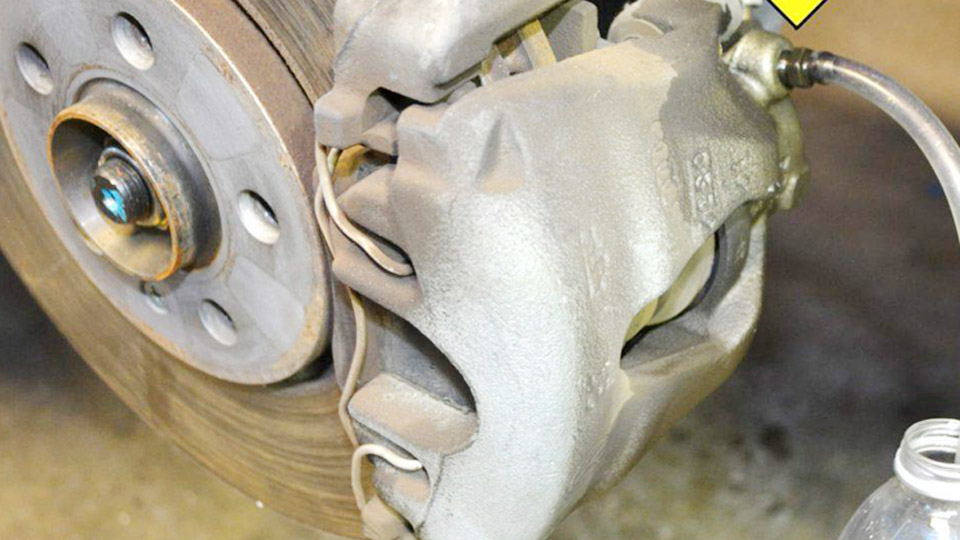
Image by carfromjapan
Brake System and Why Bleeding Is Key
The brake system on your car is a hydraulic marvel – basically a network of lines, calipers, and cylinders that use fluid pressure to clamp pads onto rotors (or shoes onto drums) and bring you to a halt. The master cylinder pushes fluid through steel or rubber lines to the wheel cylinders or calipers, and any air in there compresses instead of transferring force, leading to weak brakes.
Common problems show up as a soft or sinking pedal, longer stopping distances, or even pulling to one side during hard stops. I’ve had customers roll in complaining of “weird vibrations” only to find air pockets from a recent pad swap gone wrong. Signs of failure include fluid leaks around fittings, discolored brake fluid that looks like muddy coffee instead of clear amber, or ABS lights flickering on the dash.
You need to bleed when air enters the system – typically after opening it up for repairs like replacing calipers, hoses, or the master cylinder. Or if the fluid’s old and contaminated, which happens every 2-3 years or 30,000 miles in most US climates. Why? Old fluid absorbs moisture, lowering its boiling point and risking vapor lock under heavy braking, like descending a steep hill with a trailer.
When it comes to parts, OEM (Original Equipment Manufacturer) like those from GM or Honda are pricier but fit perfectly and meet factory specs. Aftermarket options from brands like Bosch or Akebono can save 30-50% and perform just as well if you pick reputable ones. I’ve installed both – OEM for finicky European cars like BMWs where tolerances are tight, and aftermarket for everyday domestics like Chevys.
Installation tips: Always start from the farthest wheel (usually passenger rear) and work toward the master cylinder. Use a clear hose on the bleeder valve to watch for bubbles. Maintenance? Check fluid levels monthly and flush every couple years.
Common mistake: Not topping off the reservoir mid-bleed, which sucks in more air. I once helped a buddy who skipped that on his Jeep – ended up redoing the whole job.
From my shop days, I remember a ’05 Mustang that came in after the owner tried a DIY bleed but used the wrong fluid type. Mixed DOT3 and DOT4, which gelled up and seized a caliper. Lesson: Stick to your vehicle’s spec – most US cars use DOT3 or DOT4, available at AutoZone or O’Reilly.
Signs Your Brakes Need Attention Before Bleeding
Before you even think about bleeding, spot the red flags. A mushy pedal that travels too far before engaging is classic air intrusion. Or if it fades under sustained pressure, like at a long red light, that’s often contaminated fluid boiling.
Common issues: Leaking wheel cylinders in older trucks like F-150s, where rust eats through seals. Or warped rotors causing pulsation, which might coincide with bleeding if you’re resurfacing them.
Replacement is needed when fluid tests show high moisture (use a cheap tester strip from Amazon – under $10). Or post-accident, if lines were damaged. Why bother? Safety first – bad brakes cause thousands of US crashes yearly, per NHTSA stats I’ve referenced in training.
OEM vs aftermarket: For calipers, OEM from Ford might cost $150 each, while Raybestos aftermarket runs $80 with similar warranty. Pros of OEM: Exact fit, no squeaks. Cons: Pricey. Aftermarket pros: Affordable, often upgraded materials. Cons: Variable quality – avoid no-name eBay stuff.
Tips: Bench bleed a new master cylinder before install to prime it. I’ve done this on countless Subarus – saves chasing air later. Mistake: Over-tightening bleeders, stripping threads. Use a flare-nut wrench, not pliers.
Anecdote: Fixed a neighbor’s Civic where the ABS module trapped air. Standard bleeding didn’t cut it; had to use a scan tool for the pump cycle.
Real-world reminder: Modern cars with ABS need extra steps.
Tools and Materials for Solo Brake Bleeding
You don’t need a fancy lift – a jack, stands, and basic tools suffice. Essentials: Brake fluid (quart of DOT3/4, $10-20), clear vinyl tubing (1/4 inch, fits over bleeder), a one-way valve or bottle for catching fluid, and a bleeder wrench (8-10mm typically).
For methods, a vacuum pump like Mityvac ($30) pulls fluid solo. Or a pressure bleeder kit ($50) pushes from the reservoir. Gravity bleed works free but slow.
US brands: Prestone or Valvoline fluid – reliable, widely available at Walmart. Avoid generics; they might not meet boiling point specs.
Identifying genuine parts: Check for DOT stamps on fluid bottles, holograms on premium brands. Fakes often have thin packaging or off odors. I’ve spotted counterfeits in bulk buys – always buy from trusted stores like Advance Auto.
Safety: Wear gloves, eye protection – fluid eats paint and skin. Chock wheels, use jack stands rated for your car’s weight (e.g., 3-ton for sedans).
Maintenance best: Store fluid sealed; it absorbs moisture fast. Pro tip: Label your bleed bottle with fluid type to avoid mix-ups.
Step-by-Step Guide to Bleeding Brakes Alone
Alright, let’s get greasy. Park on level ground, engine off. Jack up, secure on stands, remove wheels for access.
Step 1: Locate the master cylinder under the hood – top off with fresh fluid.
Step 2: Start at rear passenger wheel. Attach tubing to bleeder valve, submerge other end in fluid-filled bottle.
Step 3: For vacuum method: Hook up pump, crack valve 1/4 turn, pull vacuum till bubbles stop, close valve. Repeat per wheel.
Step 4: Move to rear driver, front passenger, front driver. Top fluid after each.
Step 5: Pump pedal 10-15 times, check for firmness. Test drive low-speed.
Personal insight: On my old ’98 Tacoma, gravity bleed took hours but worked flawlessly for drum brakes. Vacuum sped it up for discs.
Common mistake: Bleeding with engine on – can aerate fluid in power systems.
One-Person Brake Bleeding Methods Compared
Vacuum bleeding: Uses hand pump to suck fluid. Pros: Fast, controls flow. Cons: Pump can fail seals if overused. Great for solo on most US vehicles like Dodges.
Pressure bleeding: Adapter on reservoir, pressurized to 10-15 PSI pushes fluid. Pros: Thorough, no pedal pumping. Cons: Kit cost, risk of overflow. Ideal for ABS-equipped cars.
Gravity: Open valve, let drip. Pros: No tools needed. Cons: Slow, uneven. Best for top-offs.
| Method | Tools Needed | Time per Car | Cost | Best For |
|---|---|---|---|---|
| Vacuum | Pump kit, tubing | 30-45 min | $30+ | DIYers with mixed brakes |
| Pressure | Bleeder tank | 20-30 min | $50+ | Pros with ABS systems |
| Gravity | Tubing only | 1-2 hours | Free | Patient beginners on simple setups |
From experience, vacuum saved my bacon on a fleet of rental Chevys – quick and clean.
When to Replace Brake Components While Bleeding
Bleeding often uncovers issues. If calipers stick, replace them – signs: Uneven pad wear, dragging.
Why now? System’s open, easier access. OEM calipers (e.g., AC Delco for GM) ensure compatibility; aftermarket like Centric offer reman units cheaper.
Pros/cons: OEM reliable but $200+ per side. Aftermarket $100, but check core returns.
US examples: For Fords, Motorcraft OEM; Wagner aftermarket widely stocked.
Tips: Inspect lines for cracks – rubber ones swell with age. Replace with braided stainless for upgrade ($50/set), better feel.
Mistake: Reusing old bleeders; they corrode. Stock extras.
Anecdote: On a customer’s Explorer, bleeding revealed a seized slider pin. Swapped caliper assembly – turned a simple bleed into a full refresh, but brakes felt reborn.
Choosing the Right Brake Fluid and Avoiding Fakes
Brake fluid is the lifeblood – transfers force without compressing. DOT3 glycol-based for most domestics, DOT4 for higher temps in Euros.
Problems: Moisture absorption leads to corrosion, spongy pedals.
Replace every 2 years; why? Prevents internal rust in master cylinders.
OEM vs aftermarket: Factory Honda fluid $15/quart, precise additives. Aftermarket Mobil1 synthetic $12, often exceeds specs.
| Type | Boiling Point (Dry/Wet) | Price (Quart) | Brands | Compatibility |
|---|---|---|---|---|
| DOT3 | 401°F/284°F | $8-12 | Prestone, Valvoline | Most US cars (Chevy, Ford) |
| DOT4 | 446°F/311°F | $10-15 | ATE, Motul | Euros, performance (BMW, Subaru) |
| DOT5 (Silicone) | 500°F/356°F | $20+ | Rarely used | Classics, non-ABS |
Pros of OEM: Matched to system. Cons: Availability. Aftermarket pros: Variety, cost. Cons: Inconsistent quality.
Genuine vs fake: Real has sealed caps, batch codes. Fakes leak or smell chemical. Buy from NAPA, not shady online deals.
Installation: Pour slowly to avoid bubbles. Maintenance: Flush fully, don’t just top off.
Workshop story: A guy brought in his Ram with “boiling” brakes – fake fluid from a swap meet boiled at 200°F. Full flush and genuine Prestone fixed it.
Common Mistakes and Pro Tips for DIY Brake Bleeding
Biggest error: Not bleeding in sequence – starts air migration.
Another: Using wrong tools, like adjustable wrench rounding off valves.
Tips: Bench test new parts. For ABS, cycle with key on.
Safety: Bleed with parking brake off if rear drums.
Insight: In humid Florida shops, I’ve seen fluid go bad fast – always date your bottles.
Conclusion
Mastering how one person can bleed brakes on a car empowers you to keep your ride safe and responsive without shop bills piling up. Whether you’re choosing DOT4 for your performance sedan or sticking with DOT3 for the daily driver, prioritize quality fluid and methodical steps to avoid air traps. Compare OEM for critical fits and aftermarket for savings, always verifying compatibility via your manual or parts lookup at RockAuto. After bleeding, bed in new pads with gradual stops from 30 mph – builds heat for better bite and longevity.
FAQ
What tools do I need to bleed brakes by myself?
Grab a bleeder wrench, clear tubing, catch bottle, and fresh fluid matching your spec. A vacuum pump makes it solo-friendly; I’ve used the Mityvac on dozens of jobs for clean results.
Can I bleed brakes without a vacuum pump?
Absolutely – gravity or pressure methods work. For gravity, open the valve and let it drip while topping the reservoir; patience is key, as I learned on my slow-bleeding old Bronco.
How often should I change brake fluid?
Every 2-3 years or 30,000 miles in the US, depending on humidity and driving. I’ve flushed systems earlier in salty winter states to prevent corrosion eating lines.
What’s the difference between DOT3 and DOT4 brake fluid?
DOT4 has a higher boiling point for demanding conditions, but it’s more hygroscopic. Use DOT3 for standard domestics; I’ve swapped to DOT4 on track-prepped Mustangs for fade resistance.
How do I know if air is still in my brake lines after bleeding?
If the pedal feels soft or sinks, re-bleed. Test by pumping hard – firm response means success, like after I chased a stubborn bubble in a Accord’s ABS unit.


