Ever turned the key and heard nothing but a weak click? It’s one of the most frustrating moments for any driver, and it usually comes down to a tired battery. Many people ask me, “How can I prevent my car battery from dying frequently?” because once it starts happening, it feels like you can’t trust your car anymore.
The battery might seem small, but it’s the heart of your car’s electrical system. Without it, you’re not going anywhere. I’ve seen batteries die long before their time just because of things like leaving lights on, short trips that don’t recharge fully, or a weak alternator. The good news? With a few simple habits and checks, you can keep your battery lasting longer, save money, and avoid the stress of being stuck in a parking lot with a dead car.

Image by mairiedebayangam
Why Your Car Battery Matters
A car battery isn’t just a box under the hood; it’s a 12-volt lead-acid powerhouse (or sometimes lithium-ion in newer models) that delivers the juice to start your engine and keep electrical systems running. Without it, your car’s dead in the water. A failing battery can lead to safety issues—like losing headlights on a dark road—or performance problems, such as a sluggish starter.
Plus, frequent replacements hit your wallet hard, with quality batteries costing $100–$200 in the US market. Keeping your battery in top shape saves money, boosts reliability, and ensures you’re not stuck calling for a tow.
I once had a customer with a 2015 Ford F-150 who kept replacing his battery every six months. Turns out, a parasitic drain from a faulty aftermarket stereo was killing it. That’s the kind of real-world problem I’ll help you avoid here.
Common Causes of Frequent Battery Failure
What’s Draining Your Battery?
Batteries die for a reason, and it’s rarely just “old age.” Parasitic drains, extreme weather, short trips, or neglecting maintenance are the usual culprits. A parasitic drain happens when something—like a stuck relay or a poorly installed accessory—keeps pulling power when the car’s off.
Extreme heat (common in states like Arizona) cooks the battery’s electrolyte, while cold (think Minnesota winters) slows chemical reactions, reducing cranking power. Short drives don’t give the alternator enough time to recharge the battery, leading to chronic undercharging.
Signs Your Battery Is Struggling
Spotting a failing battery early can save you a headache. Look for these red flags:
- Slow cranking when starting the engine.
- Dim headlights or flickering interior lights.
- Battery warning light on the dashboard.
- Swollen battery case (a sign of overcharging or heat damage).
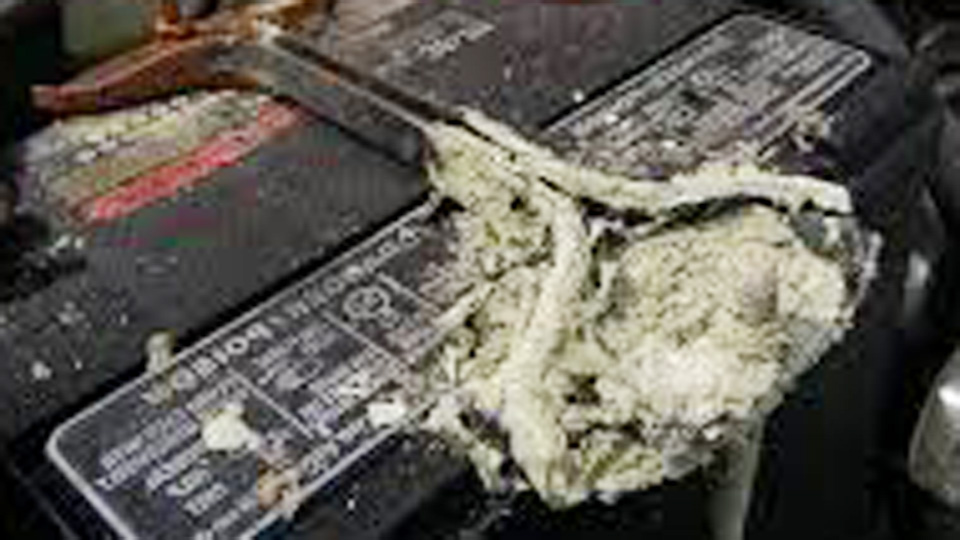
- Corrosion on terminals (white, powdery buildup).
I’ve seen DIYers ignore these signs, thinking a jump-start will fix everything. Spoiler: It won’t. A weak battery often points to deeper issues, like a failing alternator or loose connections.
When to Replace Your Battery
Most car batteries last 3–5 years in the US, depending on driving habits and climate. If your battery’s over three years old and showing symptoms, test it with a multimeter (should read 12.6V when fully charged) or at an auto parts store. Replace it if it’s consistently below 12.2V or fails a load test. Don’t wait for it to die completely—proactive replacement prevents breakdowns.
OEM vs Aftermarket Batteries: Which Is Best?
Understanding OEM Batteries
Original Equipment Manufacturer (OEM) batteries come from the same brand as your car—think Mopar for Chrysler or Motorcraft for Ford. They’re designed to meet your vehicle’s exact specs, ensuring perfect fit and performance.
For example, a 2019 Honda Civic might use a 51R battery with 410 cold cranking amps (CCA). OEM batteries are reliable but pricey, often costing $150–$250. They’re a safe bet for newer cars under warranty or if you want zero hassle.
Aftermarket Options
Aftermarket batteries, like those from Interstate, DieHard, or Optima, offer more variety and often better value. They come in standard lead-acid, AGM (Absorbent Glass Mat), or even lithium-ion for high-performance builds. AGM batteries, like the Optima YellowTop, are great for vehicles with heavy electrical loads (think aftermarket sound systems).
Prices range from $80 for budget brands to $300 for premium AGM models. The catch? Not all aftermarket batteries match OEM specs, so check your car’s manual for group size and CCA requirements.
OEM vs. Aftermarket Comparison Table
| Feature | OEM Batteries | Aftermarket Batteries |
|---|---|---|
| Cost | $150–$250 | $80–$300 |
| Fit | Guaranteed for your vehicle | Varies; check group size and CCA |
| Warranty | 2–3 years, often tied to dealership | 1–5 years, depending on brand |
| Performance | Meets factory specs | Can exceed OEM (e.g., AGM for heavy use) |
| Availability | Dealerships, some auto parts stores | Widely available (AutoZone, O’Reilly) |
| Best For | New cars, warranty concerns | Budget-conscious, custom builds |
My Take
I’ve installed both OEM and aftermarket batteries in everything from a 2008 Toyota Corolla to a modded 2020 Jeep Wrangler. OEM is foolproof but overpriced. Aftermarket brands like Interstate or Duralast Gold have never let me down for daily drivers, especially if you match specs. For high-performance cars, I lean toward AGM batteries for their durability under heavy loads.
How to Prevent Frequent Battery Death
Regular Maintenance Tips
A little TLC goes a long way. Here’s how I keep batteries alive in my shop:
Clean Terminals: Corrosion builds up fast, especially in humid climates. Use a wire brush and baking soda paste to clean terminals. I’ve seen crusty terminals cause voltage drops that mimic a dead battery.
Check Connections: Loose or dirty cables can starve your battery. Tighten bolts with a 10mm wrench and ensure cables are snug.
Test Regularly: Use a multimeter every six months to check voltage. AutoZone and Advance Auto offer free load tests if you don’t have one.
Avoid Short Trips: Drive at least 20 minutes weekly to let the alternator recharge the battery. Short 5-minute trips are a battery’s worst enemy.
Insulate in Extreme Weather: In cold climates, use a battery blanket (about $20 at Walmart). In hot areas, park in the shade to reduce heat stress.
Step-by-Step Guide to Battery Maintenance
- Pop the Hood: Locate the battery, usually near the front of the engine bay. On some cars (like BMWs), it’s in the trunk.
- Inspect for Damage: Look for cracks, leaks, or a swollen case. If you see these, replace the battery immediately—don’t risk it.
- Clean Terminals: Mix baking soda and water (1:10 ratio), apply with an old toothbrush, and scrub off corrosion. Rinse with water and dry.
- Check Voltage: With the car off, use a multimeter set to DC voltage. Touch the red probe to the positive (+) terminal and black to negative (-). A healthy battery reads 12.6V or higher.
- Secure the Battery: Ensure the hold-down clamp is tight. A loose battery can vibrate, damaging internal plates.
- Test the Charging System: Start the car and check voltage again. It should read 13.5–14.5V, indicating the alternator is charging properly.
Common Maintenance Mistakes
I’ve seen DIYers make these slip-ups:
- Over-tightening Terminals: Snug is enough—cranking too hard can strip bolts or crack the battery case.
- Ignoring Corrosion: That white gunk isn’t just ugly; it blocks current. Clean it regularly.
- Using the Wrong Charger: A cheap trickle charger can overcharge and cook the battery. Invest in a smart charger (like a NOCO Genius, ~$60) that adjusts voltage automatically.
Choosing the Right Battery for Your Vehicle
Matching Battery Specs
Your car’s manual lists the battery group size (e.g., 24F, 35, H6) and minimum CCA. For example, a 2021 Subaru Outback needs a Group 25 battery with at least 550 CCA. Check the label on your current battery or use an online fitment guide from AutoZone or NAPA. Mismatching specs can lead to underperformance or even electrical damage.
Top US Battery Brands
- Interstate: Reliable, widely available, great warranties (up to 5 years). Around $120–$180.
- DieHard: Known for durability in extreme climates. Gold series is $130–$200.
- Optima: Premium AGM batteries for performance vehicles. YellowTop models cost $250–$300 but excel for heavy electrical loads.
- Duralast: AutoZone’s house brand, solid for budget builds at $100–$150.
Spotting Fake Batteries
Counterfeit batteries are a real issue, especially online. I once bought a “deal” on an Optima battery that turned out to be a knockoff—it died in three months. Here’s how to spot fakes:
- Check Packaging: Genuine brands have high-quality labels with clear serial numbers.
- Buy from Reputable Retailers: Stick to AutoZone, O’Reilly, or Advance Auto. Avoid shady Amazon sellers.
- Verify Weight: Real batteries are heavy (30–50 lbs for lead-acid). Fakes often feel lighter due to cheap materials.
- Look for Holograms: Brands like Optima use security stickers to deter counterfeits.
Installing a New Battery: Tips and Tricks
Tools You’ll Need
- 10mm or 13mm wrench/socket for terminals.
- Wire brush for cleaning corrosion.
- Gloves and safety glasses (battery acid is no joke).
- Anti-corrosion spray or petroleum jelly ($5 at Walmart).
Step-by-Step Installation
- Turn Off the Car: Disconnect any chargers or accessories.
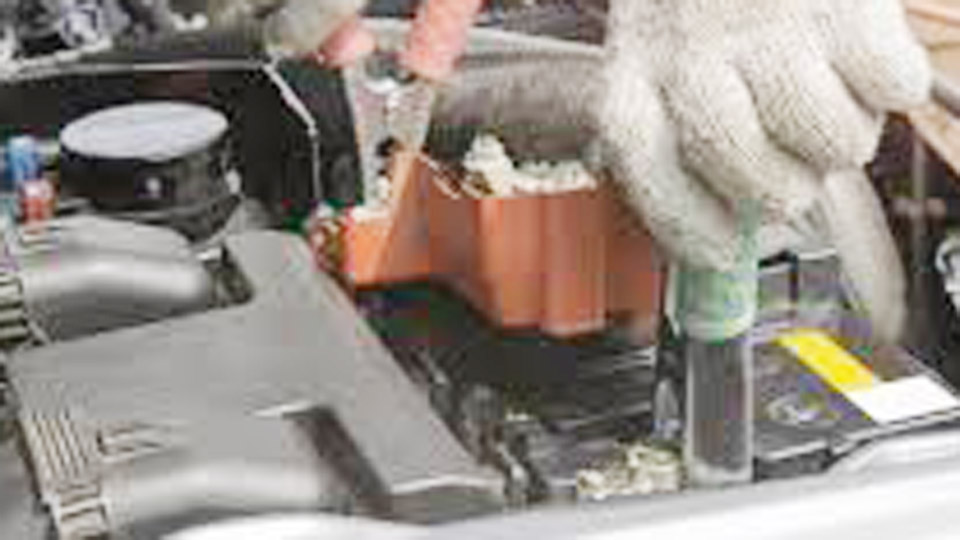
- Remove the Negative Cable First: Use a wrench to loosen the negative (-) terminal (usually black). This prevents sparks or shorts.
- Remove the Positive Cable: Loosen the positive (+) terminal (usually red).
- Remove the Hold-Down: Unscrew the clamp or bracket securing the battery.
- Lift Out the Old Battery: Be careful—it’s heavy! Place it in a safe spot for recycling.
- Clean the Tray: Wipe away dirt or corrosion with a rag.
- Install the New Battery: Place it in the tray, ensuring correct terminal orientation.
- Secure the Hold-Down: Tighten the clamp to prevent movement.
- Connect the Positive Cable First: Tighten securely.
- Connect the Negative Cable: Ensure a snug fit.
- Apply Anti-Corrosion Spray: Coat terminals to prevent buildup.
Safety Tips
- Never short-circuit terminals with a wrench—it can spark or fry electronics.
- Recycle old batteries at AutoZone or a local recycling center. They’re hazardous waste, not trash.
- If acid spills, neutralize it with baking soda and water.
My Installation Anecdote
Last summer, I helped a buddy swap the battery in his 2017 Chevy Silverado. He’d bought a cheap no-name brand online, and it didn’t fit the tray properly. We had to shim it with rubber pads to keep it secure. Lesson learned: Stick to trusted brands and double-check fitment.
Troubleshooting Parasitic Drains
What’s a Parasitic Drain?
A parasitic drain is when something draws power when the car’s off, killing the battery. Common culprits include:
- Faulty alternator diodes.
- Aftermarket accessories (like alarms or stereos) wired incorrectly.
- Stuck relays or modules that don’t “sleep.”
How to Test for a Drain
- Set Up a Multimeter: Switch it to DC amps (10A setting) and connect it in series between the negative battery terminal and cable.
- Close All Doors: Ensure no lights or systems are on.
- Check the Reading: A healthy car should draw 20–50 milliamps (mA). Anything over 100 mA indicates a drain.
- Pull Fuses One by One: If there’s a drain, remove fuses until the reading drops. This pinpoints the circuit.
I once traced a drain in a 2013 Nissan Altima to a faulty glovebox light that stayed on. A $2 bulb fixed the problem—no new battery needed.
Extending Battery Life in Extreme Conditions
Hot Weather Tips
In places like Texas or Florida, heat is a battery killer. Park in a garage or shade, and consider an AGM battery, which resists heat better than standard lead-acid. Check electrolyte levels (if your battery isn’t maintenance-free) and top off with distilled water.
Cold Weather Tips
Cold slows chemical reactions, reducing cranking power. Use a battery with high CCA (e.g., 800+ for trucks). A battery blanket or trickle charger helps in subzero temps. I’ve jump-started countless cars in Chicago winters—trust me, a strong battery makes all the difference.
Conclusion
Preventing your car battery from dying frequently boils down to regular maintenance, choosing the right battery, and catching problems early. Clean terminals, test voltage, avoid short trips, and match your battery to your car’s needs. Whether you go OEM for peace of mind or aftermarket for value, stick to trusted brands like Interstate or Optima and buy from reputable retailers to avoid fakes.
By following these steps, you’ll save money, avoid breakdowns, and keep your car running smoothly. Keep a portable jump-starter (like a NOCO Boost, ~$100) in your trunk for emergencies—it’s saved me more times than I can count.
FAQ
Why does my car battery die overnight?
A battery dying overnight usually points to a parasitic drain. Test with a multimeter to find the culprit, like a stuck relay or faulty accessory. Fix the drain before replacing the battery.
How often should I replace my car battery?
Most batteries last 3–5 years. Test voltage annually and replace if it’s below 12.2V or fails a load test. Extreme climates may shorten lifespan.
Can I use a charger to extend battery life?
Yes, a smart charger (like NOCO or Battery Tender) maintains optimal charge without overcooking the battery. Use it monthly for cars driven infrequently.
Are AGM batteries worth the extra cost?
AGM batteries are pricier but last longer and handle heavy electrical loads better. They’re ideal for modern cars with start-stop systems or aftermarket accessories.
How do I know if my alternator is killing my battery?
With the car running, check battery voltage—it should be 13.5–14.5V. If it’s lower, the alternator isn’t charging properly. Get it tested at a shop.