Last Updated on January 2, 2026
When it comes to your car’s steering, you might wonder what makes hydraulic and electric power steering different. Understanding these differences can help you make smarter choices about your vehicle’s performance, maintenance, and fuel efficiency.
Whether you’re buying a new car or just curious about how your steering system works, this guide will give you clear answers. Keep reading to discover which system suits your driving style and why it matters for your everyday ride.

Credit: www.valtekindo.co.id
Hydraulic Power Steering Basics
Hydraulic power steering helps drivers turn the steering wheel with less effort. It uses fluid pressure to assist steering. This system has been common in vehicles for many years. Understanding its basics can clarify how it differs from electric power steering.
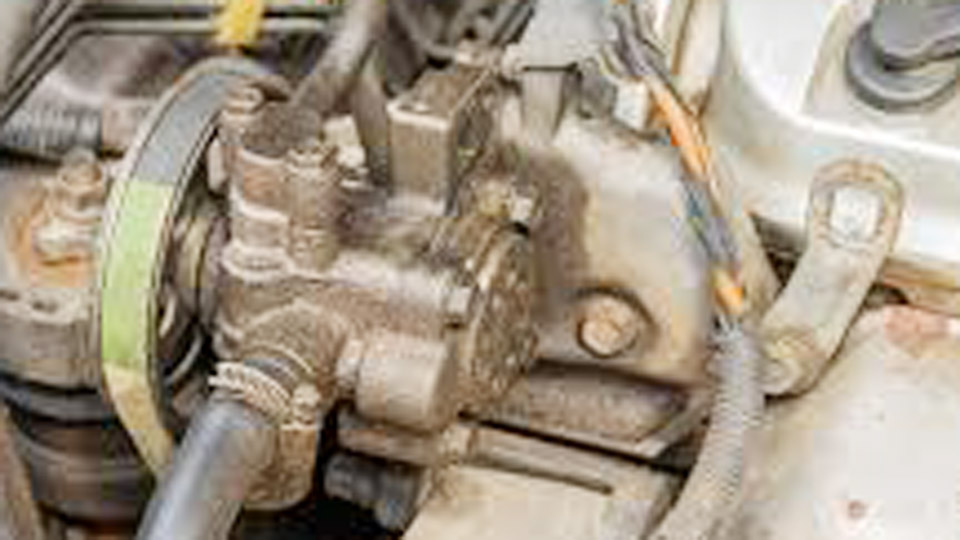
Hydraulic power steering relies on a pump, fluid, and valves to ease steering movements. The system works continuously while the engine runs. It provides smooth and steady steering help.
How It Works
A belt-driven pump creates hydraulic pressure. This pressure moves fluid through hoses to the steering gear. When the driver turns the wheel, valves direct the fluid to help turn the wheels. The fluid pressure reduces the effort needed to steer.
Key Components
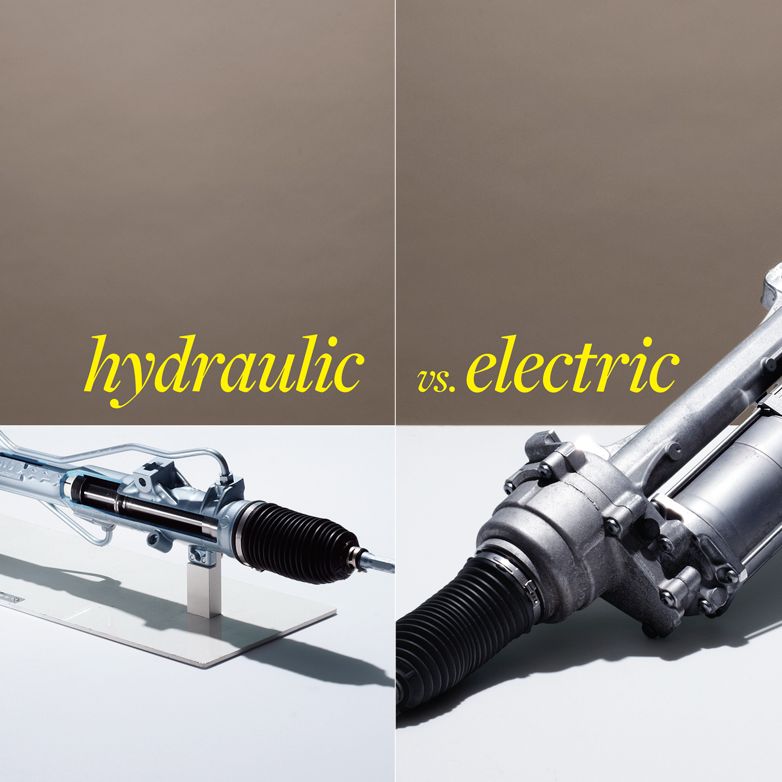
The pump, powered by the engine, pressurizes the fluid. The hydraulic fluid flows through hoses to the steering rack or box. Valves control the fluid flow depending on steering input. A reservoir holds extra fluid and keeps the system sealed.
Common Applications
Hydraulic power steering is common in older cars and trucks. Many larger vehicles still use it for strong steering assistance. It works well in heavy-duty and off-road vehicles. The system performs reliably in tough driving conditions.

Credit: www.researchgate.net
Electric Power Steering Features
Electric power steering (EPS) is a key feature in many modern vehicles. It uses electricity to help drivers steer more easily. This system replaces older hydraulic systems and offers many benefits. Understanding EPS features helps you see why it is popular today.
Operation Principles
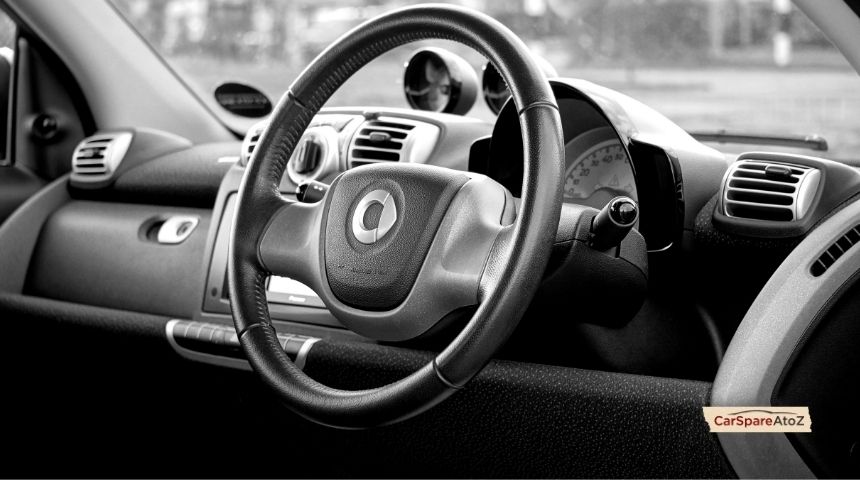
Electric power steering works by using an electric motor. This motor assists the driver when turning the steering wheel. Sensors detect how much force the driver applies. Then, the motor provides the right amount of help. This makes steering lighter at low speeds and stable at high speeds.
Main Parts
The main parts of EPS include the electric motor, sensors, and control unit. The sensors track steering input and vehicle speed. The control unit processes this data and controls the motor. The motor then applies power to the steering mechanism. These parts work together smoothly to improve steering.
Advantages In Modern Cars
Electric power steering saves fuel because it uses power only when needed. It also reduces maintenance since it has fewer moving parts. EPS offers better steering precision and feels more natural. It allows car makers to add safety features like lane-keeping assist. Overall, EPS improves driving comfort and safety.
Comparing Performance And Costs
Understanding the differences in performance and costs between hydraulic and electric power steering helps in making a smart choice. Each system offers unique benefits and trade-offs. This section breaks down these aspects clearly and simply.
Steering Feel And Control
Hydraulic power steering gives a smooth and natural steering feel. It reacts well to road conditions. Drivers often like its strong feedback. Electric power steering feels lighter and easier to handle. It can adjust steering effort at different speeds. Some drivers find it less connected to the road. Both systems provide good control but feel different.
Maintenance And Reliability
Hydraulic systems need regular fluid checks and changes. Leaks and pump failures can cause problems. Repairs can be costly and time-consuming. Electric power steering has fewer moving parts. It needs less routine maintenance. Failures are less common but may require complex electronic fixes. Overall, electric systems tend to be more reliable and cheaper to maintain.
Fuel Efficiency And Environmental Impact
Hydraulic power steering uses energy from the engine. This extra load lowers fuel efficiency. It also increases emissions slightly. Electric power steering runs on the car’s battery. It only uses energy when steering. This design helps improve fuel economy. Electric systems produce fewer emissions. They are better for the environment and your fuel costs.
Credit: www.caranddriver.com
Frequently Asked Questions
What Is The Main Difference Between Hydraulic And Electric Steering?
Hydraulic steering uses fluid pressure, while electric steering uses an electric motor for assistance.
Which Steering System Saves More Fuel?
Electric power steering saves more fuel because it only uses energy when needed.
Is Electric Power Steering Easier To Maintain?
Yes, electric systems have fewer parts and need less regular maintenance than hydraulic ones.
How Do Steering Feel And Response Differ?
Hydraulic steering feels smoother; electric steering is lighter but may feel less natural.
Which System Is More Common In Modern Cars?
Electric power steering is more common today due to efficiency and easier integration with technology.
Conclusion
Hydraulic and electric power steering each have clear differences. Hydraulic systems use fluid and pumps to assist steering. Electric systems rely on motors and sensors instead. Electric steering often saves fuel and needs less maintenance. Hydraulic steering can feel smoother on rough roads.
Choosing between them depends on your car and driving style. Both types help you steer with less effort. Knowing their differences helps you understand how your car works.