
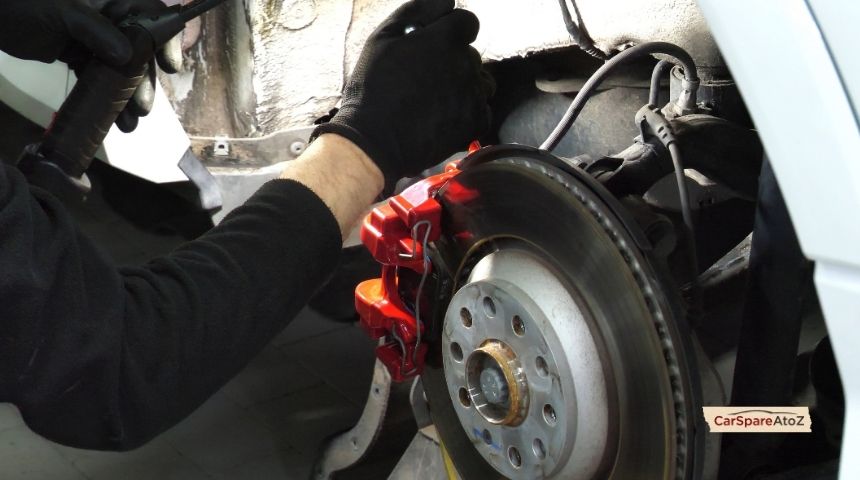
Your brakes are one of the most important parts of your vehicle. If they fail, it can put you and everyone around you in serious danger.
But how do you know if something is wrong before it becomes a big problem? Knowing the common brake system problems and how to spot them early can save you time, money, and stress. You’ll discover simple signs to watch for that could mean your brakes need attention.
Keep reading to protect yourself and keep your car running safely.

Credit: primehandcarwashandcafe.weebly.com
Frequent Brake Issues
Brakes are one of the most important parts of your car. They keep you safe by helping you stop on time. Problems with brakes can be dangerous. Knowing common brake issues helps you spot trouble early. This way, you can fix small problems before they grow.
Worn Brake Pads
Brake pads wear out over time. They press against the rotors to stop your car. When they get thin, stopping becomes harder. You might hear a squealing noise. This sound means the pads need changing. Check your brakes if you feel the car pulls to one side.
Brake Fluid Leaks
Brake fluid moves pressure from the pedal to the brakes. Leaks lower this pressure and reduce braking power. You may see wet spots near the wheels. A soft or spongy brake pedal can also mean leaks. Low brake fluid is dangerous and needs quick repair.
Warped Rotors
Rotors can warp from heat and wear. Warped rotors cause shaking or pulsing when braking. The steering wheel may vibrate too. This happens because the brake pads can’t grip well. Warped rotors need resurfacing or replacement to fix the problem.

Credit: www.fillingstation.com
Signs Of Brake Trouble
Brakes are one of the most important parts of your car. They keep you safe by helping you stop on time. Knowing the signs of brake trouble helps you avoid big problems. Early spotting of issues saves money and keeps your car running well.
Squeaking Or Grinding Noises
Squeaking sounds often mean brake pads are wearing out. The noise happens when metal touches metal. Grinding noises are worse. They show the brake pads are gone. This can damage the rotors. Don’t ignore these sounds. They are an early warning.
Reduced Braking Power
If your car takes longer to stop, the brakes need attention. This can happen if brake fluid is low or old. Worn brake pads also cause less power. A soft or spongy brake pedal feels different too. These signs show your brakes are not working well.
Vibrations During Braking
Feeling vibrations or shaking when braking is a problem. It can mean the brake rotors are warped or uneven. This makes stopping unsafe. The steering wheel or brake pedal may shake. Check your brakes quickly if this happens.
Early Detection Tips
Detecting brake problems early can save you from costly repairs and keep you safe on the road. Small issues often show signs before turning into serious faults. Knowing what to check helps you spot trouble fast. Follow these simple tips to keep your brakes in good shape.
Regular Brake Inspections
Check your brakes often to catch wear and damage early. Look at the brake pads and rotors for signs of thinning or cracking. Inspect the brake lines for leaks or cracks. Make it a habit to have a professional inspect your brakes yearly. This helps find hidden problems before they grow.
Monitoring Brake Fluid Levels
Brake fluid moves pressure from the pedal to the brakes. Low fluid can reduce braking power or cause failure. Check the brake fluid reservoir monthly. Keep the fluid between the minimum and maximum marks. Dark or dirty fluid means it needs changing. Clean fluid keeps the brake system working well.
Listening For Unusual Sounds
Strange noises often mean brake trouble. Listen for squeaking, grinding, or squealing sounds when braking. Squeaking may mean worn pads. Grinding usually signals metal on metal contact. Squealing could indicate loose parts or dust. Any odd noise needs quick attention to avoid damage.

Credit: simonsautorepairtaunton.com
Frequently Asked Questions
What Are The Common Signs Of Brake System Problems?
Squeaking sounds, longer stopping distances, and a soft brake pedal often signal brake issues.
How Can I Detect Worn Brake Pads Early?
Look for thinning pads, screeching noises, or vibration when braking to spot wear early.
Why Does My Brake Pedal Feel Soft Or Spongy?
Air in brake lines or fluid leaks cause a soft or spongy brake pedal feel.
What Causes Brake Fluid Leaks And How To Spot Them?
Damaged brake lines or seals cause leaks, visible as fluid puddles under your car.
How Often Should Brake Systems Be Inspected For Safety?
Brake checks every 12,000 miles or once a year help catch problems before they get worse.
Conclusion
Brake problems can happen to anyone. Catching issues early keeps you safe. Listen for strange noises or feel for unusual pedal behavior. Regular checks help avoid costly repairs later. Don’t ignore warning signs like vibrations or fluid leaks. Simple steps can protect your car and your wallet.
Stay alert and act quickly when something feels off. Safe brakes mean safer drives every day.


