Last Updated on January 2, 2026
Your car won’t start without the right battery. Choosing the right car battery for your vehicle is more important than you might think.
The right battery keeps your car running smoothly, saves you money, and prevents those frustrating moments when your engine just won’t turn over. But with so many options out there, how do you know which one fits your needs? Keep reading, and you’ll learn exactly what to look for to pick the perfect battery for your car—making sure you’re ready to hit the road without a hitch.

Credit: boyceautorepair.com
Types Of Car Batteries
Choosing the right car battery starts with knowing the types available. Each type fits different needs and vehicle types. Understanding these helps you pick a battery that lasts longer and works better. Below are the main types of car batteries you can find.
Lead-acid Batteries
Lead-acid batteries are the most common and cost-effective option. They use liquid acid to store power. These batteries require regular maintenance, like checking water levels. They work well in most cars and trucks. Known for their reliability and easy availability.
Agm Batteries
AGM stands for Absorbent Glass Mat. These batteries hold acid in a glass mat, not liquid. This design makes them spill-proof and more durable. AGM batteries charge faster and last longer than lead-acid types. Ideal for vehicles with many electronics or stop-start systems.
Gel Batteries
Gel batteries use a thick gel instead of liquid acid. This gel makes them resistant to vibration and extreme temperatures. They are low maintenance and have a longer life span. Gel batteries work best in off-road vehicles and harsh environments.
Key Factors To Consider
Choosing the right car battery is important for your vehicle’s performance. A good battery powers your car and starts the engine reliably. Several factors affect how well a battery works in your car. Understanding these can help you pick the best option.
Battery Size And Compatibility
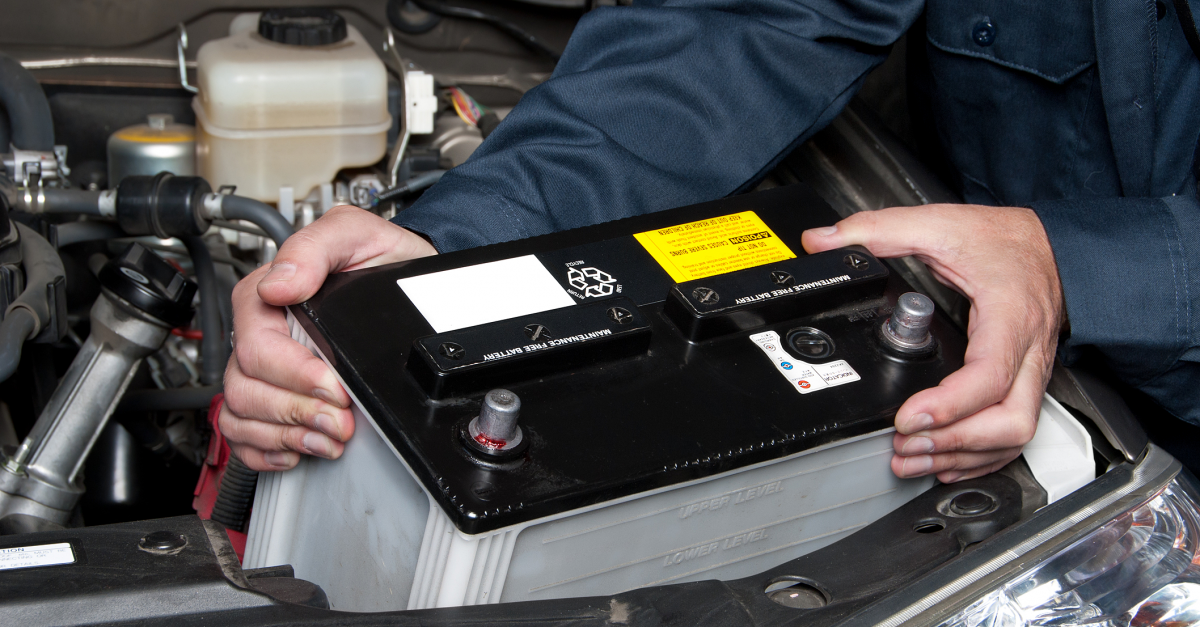
Battery size must match your vehicle’s requirements exactly. A battery too large or too small will not fit properly. Also, the terminal positions should align with your car’s connectors. Check your owner’s manual or current battery for size details. Proper fit ensures safe installation and good performance.
Cold Cranking Amps
Cold Cranking Amps (CCA) measures a battery’s starting power in cold weather. Higher CCA means better ability to start your engine in low temperatures. Choose a battery with enough CCA for your climate and engine size. This helps avoid starting problems during winter.
Reserve Capacity
Reserve Capacity (RC) shows how long a battery can run your car if the alternator fails. It is measured in minutes. A higher RC gives more backup power during electrical problems. Look for a battery with enough reserve capacity for your vehicle’s needs. This adds extra reliability.
Maintenance And Lifespan Tips
Proper care extends your car battery’s life and saves money. Simple maintenance steps keep the battery healthy and reliable. Regular checks catch small issues before they grow.
Understanding how to care for your battery helps avoid unexpected breakdowns. Follow these tips to maintain your battery’s power and durability.
Regular Inspection
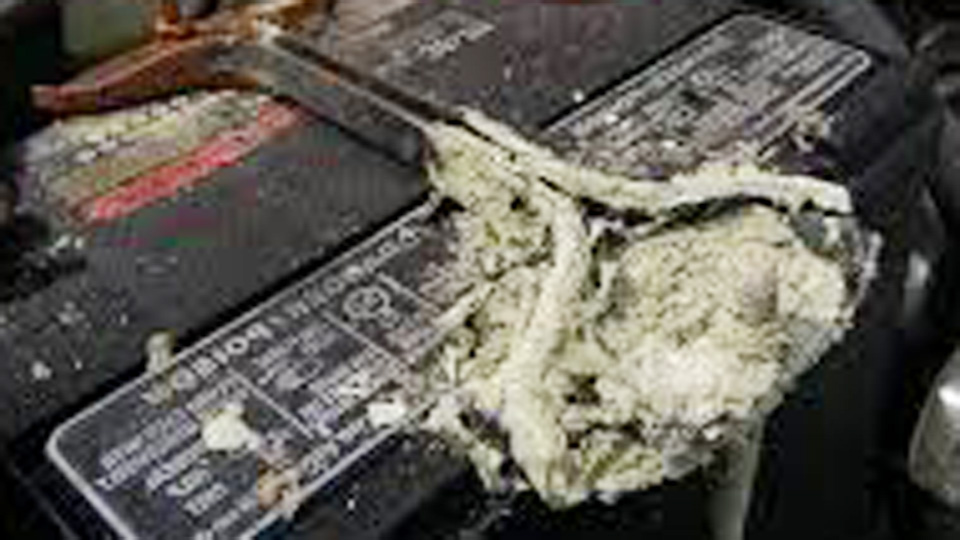
Check the battery every month for dirt and corrosion. Clean the terminals with a brush to ensure good contact. Look for cracks or leaks on the battery case. Tighten loose connections to prevent power loss.
Proper Charging
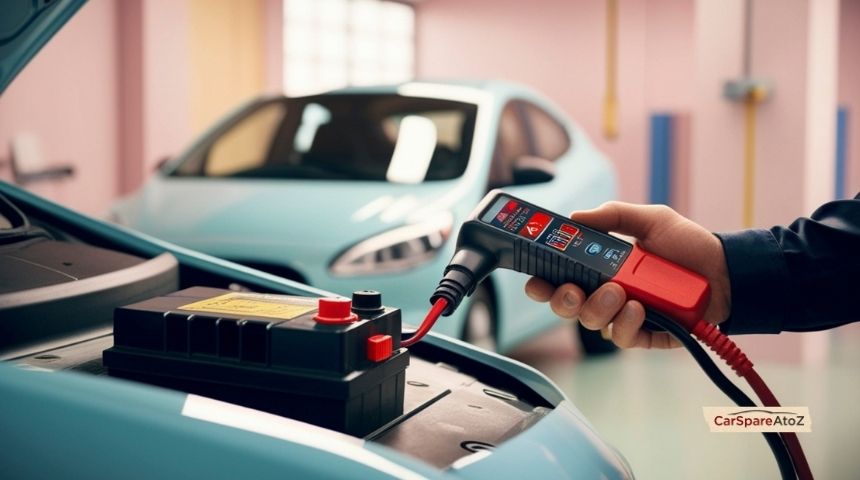
Use the correct charger for your battery type. Overcharging causes damage and reduces battery life. Avoid leaving the battery fully drained for long periods. Drive your car regularly to keep the battery charged.
Signs Of Battery Wear
Watch for slow engine cranks when starting your car. Dim headlights or electrical issues signal battery problems. Swollen battery case means overheating or damage. Strange smells or leaks need immediate attention.
Credit: quicklanekent.com
Credit: vacuna.in
Frequently Asked Questions
What Size Car Battery Do I Need For My Vehicle?
Check your vehicle’s manual for the recommended battery size and type to ensure a proper fit and function.
How Long Does A Typical Car Battery Last?
Most car batteries last about 3 to 5 years, depending on usage and climate conditions.
Can I Use Any Brand Of Car Battery For My Car?
Choose a battery that meets your car’s specifications, regardless of brand, to ensure compatibility and performance.
What Factors Affect Car Battery Performance The Most?
Temperature, driving habits, and battery age greatly impact how well your car battery performs.
How Do I Know When It’s Time To Replace My Car Battery?
Signs include slow engine start, dim lights, or a battery warning light on your dashboard.
Conclusion
Choosing the right car battery saves you time and money. Check your vehicle’s manual for battery size and type. Consider battery life, warranty, and cold-cranking amps. A good battery keeps your car running smoothly. Avoid buying cheap batteries that fail quickly.
Regular maintenance helps extend battery life. Test your battery before extreme weather hits. Stay prepared and avoid unexpected breakdowns. Your car deserves the best power source. Make a smart choice and drive with confidence.