I’ve lost count of how many times I’ve had a car towed into the shop with a driver saying, “The battery just died out of nowhere.” In reality, the problem often isn’t the battery at all—it’s the alternator. One of the most common questions I hear is, “Can you jumpstart a car with a bad alternator?” The short answer is yes, but only to get it moving temporarily. Once the alternator stops charging, your car is running on borrowed time, because the battery alone won’t keep the engine and electronics alive for long.
The alternator is more important than most people realize—it powers everything from headlights and fuel injectors to the AC blower and infotainment system. I’ve seen drivers replace batteries two or three times before realizing the alternator was the real culprit.
From my experience, understanding the warning signs and knowing what a jumpstart can and can’t do can save you from getting stranded and from wasting money on unnecessary parts. In this guide, I’ll break down what happens when the alternator goes bad and how to handle it the right way.
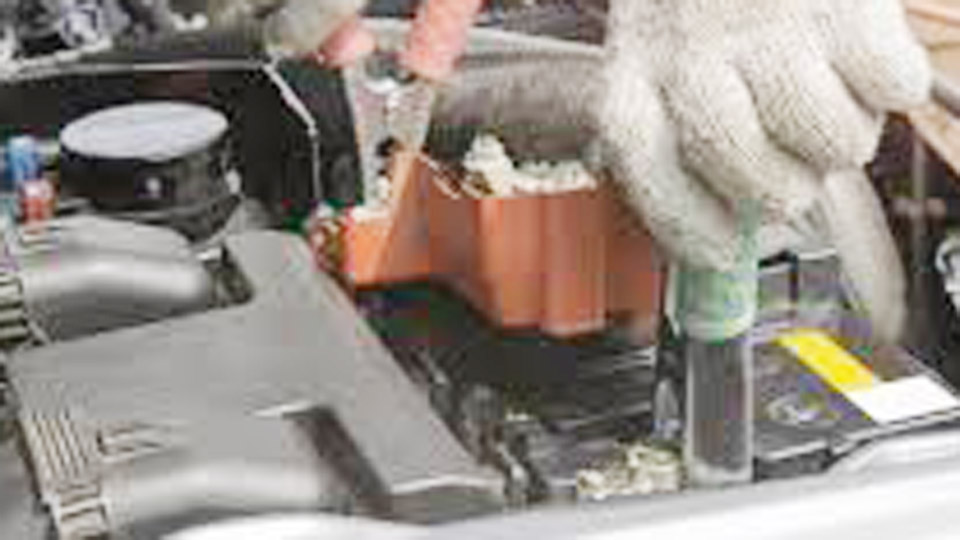
Image by amproad
What Is an Alternator and Why Does It Matter?
Understanding the Alternator’s Role
The alternator is your car’s power plant for the electrical system. It’s a small, belt-driven component that generates electricity to charge the battery and power everything from your headlights to your radio while the engine’s running. Without a working alternator, your car relies solely on the battery, which drains fast—think of it like running a laptop on battery power without a charger.
In my years working on cars, I’ve seen alternators fail on everything from a beat-up Ford F-150 to a pristine Honda Civic. When they go bad, you’ll notice issues like dim lights, a weak battery, or even a car that won’t stay running after a jumpstart. A bad alternator doesn’t just strand you; it can strain your battery, leading to costly replacements.
Why It Matters
- Safety: A failing alternator can cause electrical failures, like losing headlights at night.
- Performance: Without proper power, your car’s systems (ignition, fuel pump) can stutter or fail.
- Cost: Ignoring a bad alternator can fry your battery, doubling your repair bill.
- Reliability: A solid alternator keeps your car running dependably, especially on long trips.
Signs Your Alternator Is Failing
Common Symptoms of a Bad Alternator
I’ve diagnosed countless alternator issues, and the signs are usually clear if you know what to look for. Here’s what I check when a customer rolls into the shop with a car that’s acting up:
- Battery Warning Light: Most dashboards have a battery icon that lights up when the alternator isn’t charging properly.
- Dim or Flickering Lights: Headlights, interior lights, or dashboard lights may dim or pulse.
- Weird Noises: A failing alternator might make a whining or grinding sound from worn bearings.
- Dead Battery: If your battery keeps dying despite being new, the alternator’s not charging it.
- Electrical Issues: Power windows, radio, or AC might act sluggish or stop working.
- Car Stalls or Won’t Stay Running: After a jumpstart, the car may die quickly if the alternator can’t supply power.
I once had a customer with a 2015 Chevy Malibu who swore their battery was the issue because the car wouldn’t start. After testing, the battery was fine, but the alternator was putting out barely 12 volts—way below the 13.5-14.5 volts it should. A quick replacement fixed it, but it’s a reminder: don’t assume the battery’s always the culprit.
Testing Your Alternator
Grab a multimeter (I use a Fluke 87V for reliability). With the engine running, check the battery voltage at the terminals. A healthy alternator should read 13.5-14.5 volts. Below 13 volts? Your alternator’s likely toast. If you don’t have a multimeter, most auto parts stores like AutoZone will test it for free.
Can You Jumpstart a Car with a Bad Alternator?
Yes, But There’s a Catch
You can absolutely jumpstart a car with a bad alternator, but it’s not a long-term solution. The alternator isn’t involved in the jumpstarting process itself—that’s all about getting enough juice from another car’s battery to crank your engine. Once the engine’s running, a bad alternator won’t charge your battery, so the car will die again once the battery’s drained.
I’ve jumpstarted plenty of cars with bad alternators in the shop to get them running for a quick test or to limp them to a repair bay. But driving too far without a working alternator is asking for trouble—your car could stall in traffic, leaving you stranded.
Step-by-Step Guide to Jumpstarting
Here’s how I do it in the garage, step by step:
- Park the Donor Car Close: Position the working car so the jumper cables can reach your battery.
- Turn Off Both Vehicles: Make sure both cars are off, with keys out of the ignition.
- Connect Jumper Cables:
- Red clamp to the dead car’s positive (+) battery terminal.
- Red clamp to the donor car’s positive (+) terminal.
- Black clamp to the donor car’s negative (-) terminal.
- Black clamp to an unpainted metal surface on the dead car’s engine block (not the battery’s negative terminal to avoid sparks).
- Start the Donor Car: Let it run for 1-2 minutes to charge the dead battery.
- Start Your Car: Crank the engine. If it doesn’t start, wait another minute and try again.
- Remove Cables in Reverse Order: Black from engine block, black from donor negative, red from donor positive, red from dead car positive.
- Keep It Running: Drive to a mechanic or auto parts store immediately—don’t turn the car off, as it may not restart.
Pro Tip: If your car dies right after disconnecting the cables, the alternator’s likely shot. Don’t keep jumpstarting repeatedly; you’ll stress the battery and risk damaging other electronics.
When and Why to Replace Your Alternator
When It’s Time for a New Alternator
Replace your alternator if it’s not charging (below 13 volts on a multimeter), making noises, or causing electrical issues. In my experience, alternators last about 7-10 years or 100,000-150,000 miles, but heavy electrical use (like blasting the AC or stereo) can wear them out faster. If you’re constantly jumpstarting, it’s time to act—don’t wait for a complete failure.
Why Replacement Matters
A new alternator restores your car’s electrical system, prevents battery damage, and ensures reliability. I’ve seen customers limp along with a failing alternator, only to end up with a dead battery and a $500 tow bill. Replacing it early saves money and hassle.
OEM vs. Aftermarket Alternators: Which Is Better?
OEM Alternators
Original Equipment Manufacturer (OEM) alternators come from the same company that built your car’s original part (e.g., Denso for Toyota, Bosch for many GMs). They’re designed to match your vehicle’s specs exactly.
Pros:
- Perfect fit and compatibility.
- High reliability and longevity.
- Often come with a warranty (1-3 years).
Cons:
- Expensive—$200-$500 depending on the car.
- Not always available at local auto parts stores.
Aftermarket Alternators
Aftermarket options are made by third-party brands like ACDelco, Remy, or TYC. They’re widely available and often cheaper.
Pros:
- More affordable—$100-$300.
- Available at stores like O’Reilly, Advance Auto, or Amazon.
- Some brands (e.g., Denso aftermarket) match OEM quality.
Cons:
- Quality varies widely; some brands fail quickly.
- May not fit perfectly or require minor modifications.
- Shorter warranties (often 1 year).
Comparison Table: OEM vs. Aftermarket Alternators
| Feature | OEM Alternator | Aftermarket Alternator |
|---|---|---|
| Price | $200-$500 | $100-$300 |
| Fit | Perfect fit | May require adjustments |
| Reliability | High, matches factory specs | Varies by brand |
| Warranty | 1-3 years | 1 year (some lifetime) |
| Availability | Dealerships, select retailers | Widely available |
| Best For | Long-term reliability | Budget-conscious repairs |
My Recommendation
For daily drivers or high-mileage cars, I lean toward OEM or high-quality aftermarket brands like Denso or Bosch. I once installed a cheap no-name alternator on a customer’s 2008 Dodge Ram to save them money, and it failed in six months. Lesson learned: stick with reputable brands. For budget builds or older cars, a mid-tier aftermarket like ACDelco works fine if you’re careful about sourcing.
Popular Brands in the US
- OEM: Denso (Toyota, Honda), Bosch (GM, Ford), Valeo (Chrysler).
- Aftermarket: ACDelco, Remy, TYC, BBB Industries.
- Where to Buy: AutoZone, Advance Auto Parts, RockAuto, or dealerships for OEM.
How to Spot Genuine vs. Fake Alternators
Counterfeit alternators are a real problem, especially online. I’ve seen customers bring in “new” alternators from shady eBay sellers that were clearly refurbished or fake. Here’s how to avoid getting scammed:
- Check Packaging: Genuine parts come in branded boxes with holograms or serial numbers. Cheap, plain packaging is a red flag.
- Inspect Build Quality: Look for clean welds, clear part numbers, and no sloppy paint or machining marks.
- Buy from Reputable Retailers: Stick to AutoZone, O’Reilly, or RockAuto. Avoid deals that seem too good to be true.
- Verify Part Numbers: Cross-check the part number with your vehicle’s manual or a trusted online database like NAPA’s.
- Warranty and Receipts: Legit parts come with a warranty card and a receipt from a known retailer.
I once had a customer who bought a “Denso” alternator online for $50—way below market price. It looked legit but failed in a month. A quick check showed no serial number. Always double-check your source.
Step-by-Step Guide to Replacing an Alternator
Tools You’ll Need
- Socket set (metric and standard, typically 10mm-15mm).
- Wrench set.
- Serpentine belt tool or pry bar.
- Multimeter for testing.
- Screwdrivers (Phillips and flathead).
- Safety gloves and glasses.
Safety First
- Disconnect the battery’s negative terminal to avoid shocks or shorts.
- Let the engine cool to prevent burns.
- Work in a well-lit, flat area with the car in park and the parking brake on.
Replacement Steps
I’ve swapped alternators on everything from a 2010 Ford Focus to a 2018 Jeep Wrangler. Here’s my go-to process:
- Disconnect the Battery: Remove the negative (-) cable to cut power.
- Locate the Alternator: It’s usually near the top of the engine, with a belt connected to a pulley.
- Remove the Serpentine Belt: Use a belt tool or wrench to release tension from the tensioner pulley. Note the belt’s routing (take a photo if needed).
- Disconnect Wiring: Unplug the alternator’s electrical connector and remove the battery cable (usually a 10mm nut).
- Unbolt the Alternator: Remove the mounting bolts (typically 2-3, 12mm-15mm). Keep them organized.
- Remove the Old Alternator: Wiggle it out carefully—it’s heavier than it looks.
- Install the New Alternator: Position it, tighten the bolts, and reconnect the wiring.
- Reinstall the Belt: Route it exactly as before, ensuring proper tension.
- Reconnect the Battery: Attach the negative cable.
- Test It: Start the car and check the voltage (13.5-14.5 volts with a multimeter).
Common Mistakes to Avoid
- Wrong Belt Routing: A misrouted belt can damage the alternator or other components. Always double-check.
- Loose Connections: Tighten all bolts and cables to prevent vibrations or arcing.
- Forgetting to Disconnect the Battery: I’ve seen DIYers short their electrical system by skipping this step.
- Buying the Wrong Part: Verify your car’s year, make, model, and engine size. A 2016 F-150 5.0L alternator won’t fit a 3.5L.
Installation Tip
If the alternator’s tight to install, use a ratchet strap to gently pull the engine forward for extra clearance. I learned this trick working on a cramped Subaru engine bay—saved me an hour of cursing.
Maintenance Tips for a Long-Lasting Alternator
- Check Belt Tension: A loose or worn serpentine belt can stress the alternator. Replace belts every 60,000-100,000 miles.
- Keep It Clean: Dirt or oil on the alternator can cause overheating. Clean the engine bay periodically.
- Monitor Electrical Load: Avoid overloading with aftermarket stereos or lights unless you upgrade the alternator.
- Test Regularly: Check voltage every oil change to catch issues early.
I once helped a buddy with a 2003 Toyota Tacoma who was burning through alternators every year. Turns out, his aftermarket subwoofer was pulling too much power. We upgraded to a high-output Denso alternator, and it’s been solid for three years.
Anecdotes from the Garage
One of my favorite shop stories involves a 2012 Nissan Altima that kept coming back with a “dead battery.” The owner had replaced the battery twice before I got my hands on it. A quick multimeter test showed the alternator was only putting out 11.8 volts—basically nothing. We swapped it with an OEM Denso unit, and the car’s been fine ever since. The customer was thrilled to learn it wasn’t a “lemon” car—just a bad alternator. It’s a reminder: always test before throwing parts at a problem.
Another time, a DIYer brought in a Chevy Silverado after installing a cheap Amazon alternator. It worked for a week, then started whining like a banshee. The bearings were shot, and the unit was a knockoff. We replaced it with a quality ACDelco unit, and I showed him how to spot fakes. He’s now a regular at the shop, always double-checking part numbers.
Conclusion
A bad alternator can leave you stranded, but jumpstarting your car is a quick way to get moving—just don’t expect it to last long without a replacement. The alternator is the heart of your car’s electrical system, and choosing the right one (OEM or a trusted aftermarket brand) can save you from headaches down the road. Whether you’re a DIY mechanic or just trying to keep your daily driver running, understanding the signs of failure, testing properly, and installing with care are key to getting it right.
When buying, stick to reputable brands like Denso, Bosch, or ACDelco, and always verify part numbers to avoid fakes. If you’re replacing it yourself, take your time, double-check connections, and don’t skip the battery disconnect. Keep a multimeter in your toolbox—it’s the fastest way to diagnose alternator issues and save you from guessing games at the parts counter.
FAQ
How Long Can You Drive with a Bad Alternator?
You can drive for 20-30 minutes on a fully charged battery, but it depends on electrical load (lights, AC, etc.). I’ve seen cars die in 10 minutes with everything turned on. Get to a mechanic ASAP.
Can a Bad Alternator Damage My Battery?
Yes, a failing alternator can overwork or undercharge your battery, shortening its life. I’ve seen batteries ruined in weeks because of a bad alternator.
How Much Does It Cost to Replace an Alternator?
Expect $300-$700 for parts and labor in the US. DIYers can save by spending $100-$500 on the alternator and doing the work themselves.
Can I Test an Alternator Without Removing It?
Yes, use a multimeter to check voltage at the battery with the engine running (13.5-14.5 volts is good). Auto parts stores can also test it in the car.
Are Remanufactured Alternators Reliable?
Remanufactured units from trusted brands like ACDelco or Remy can be reliable and cheaper than new. Just ensure they’re from a reputable source with a warranty.