
When it comes to keeping you safe on the road, your vehicle’s braking system is one of the most important features. But have you ever wondered what makes ABS brakes different from non-ABS brakes?
Understanding this difference could be the key to improving your driving safety and confidence. You’ll discover exactly how these two braking systems work, why one might be better for you, and what to consider when choosing between them. Keep reading—you don’t want to miss what could make all the difference the next time you hit the brakes.

Credit: www.aasprint.com.au
How Abs Works
Understanding how ABS works helps you see why it improves braking. ABS, or Anti-lock Braking System, stops wheels from locking during sudden stops. This lets drivers keep control and steer safely. The system uses parts that sense wheel speed and adjust brake pressure fast. This section explains the basic mechanism, sensors and control, and safety benefits of ABS.
Basic Mechanism
ABS controls brake pressure to prevent wheel lock. When braking hard, wheels may stop spinning. Locked wheels slide on the road, causing loss of control. ABS quickly reduces brake pressure to the wheels. This lets wheels spin again and maintain grip. The system repeats this process many times per second. This pulsing action stops the wheels from locking.
Sensors And Control
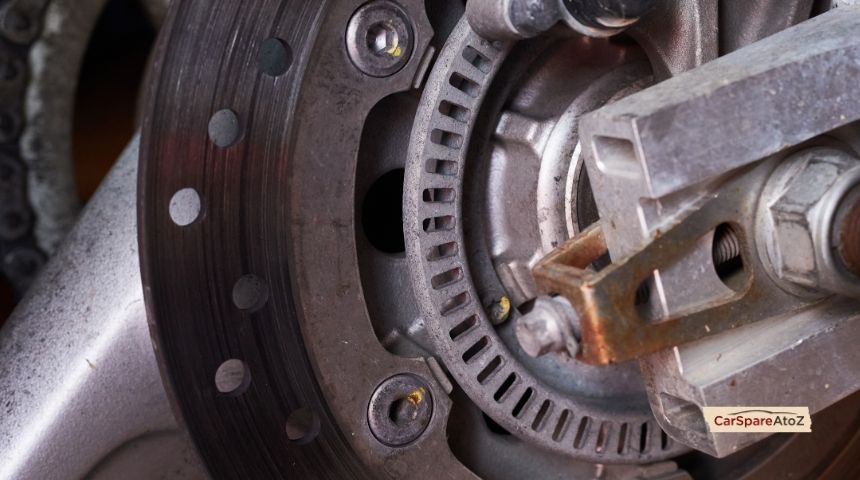
Each wheel has sensors that track its speed. These sensors send data to an electronic control unit (ECU). The ECU checks if any wheel is slowing too fast or about to lock. It then adjusts brake pressure by controlling valves. This happens instantly and automatically. The system works without driver input after braking begins. It uses fast signals and precise control to keep wheels turning.
Benefits In Safety
ABS improves vehicle stability during emergency braking. It helps drivers steer around obstacles while stopping. It reduces the risk of skidding and losing control. ABS also shortens stopping distance on slippery roads. This system is especially helpful on wet or icy surfaces. Overall, ABS makes braking safer and more reliable for all drivers.
Features Of Non-abs Brakes
Non-ABS brakes are the classic braking system found in many older vehicles. They work by directly applying pressure to the wheels using brake pads or shoes. This system relies entirely on the driver’s control and skill to stop the vehicle safely.
Understanding the features of non-ABS brakes helps to see why they differ from modern ABS systems.
Traditional Braking Method
Non-ABS brakes use simple hydraulic pressure to slow down the wheels. When the driver presses the brake pedal, the brake pads press against the brake disc or drum. This friction slows the wheel’s rotation and stops the vehicle. The system does not have sensors or computers to help control braking.
Limitations And Risks
Non-ABS brakes can lock up the wheels during hard braking. Locked wheels lose traction and cause skidding. Skidding makes it harder to steer and control the vehicle. This increases the risk of accidents, especially on wet or slippery roads. Drivers must brake carefully to avoid losing control.
Common Usage Scenarios
Many older cars and motorcycles still use non-ABS brakes. Some new vehicles in low-cost markets also have this system. Non-ABS brakes are common in simple machines like lawnmowers and small trailers. They work well on dry roads and at low speeds but need caution in difficult conditions.
Comparing Performance
Comparing the performance of ABS and non-ABS braking systems helps to understand their real-world effects. Both systems aim to stop a vehicle safely but do so differently. This section breaks down their performance in key areas.
Stopping Distance
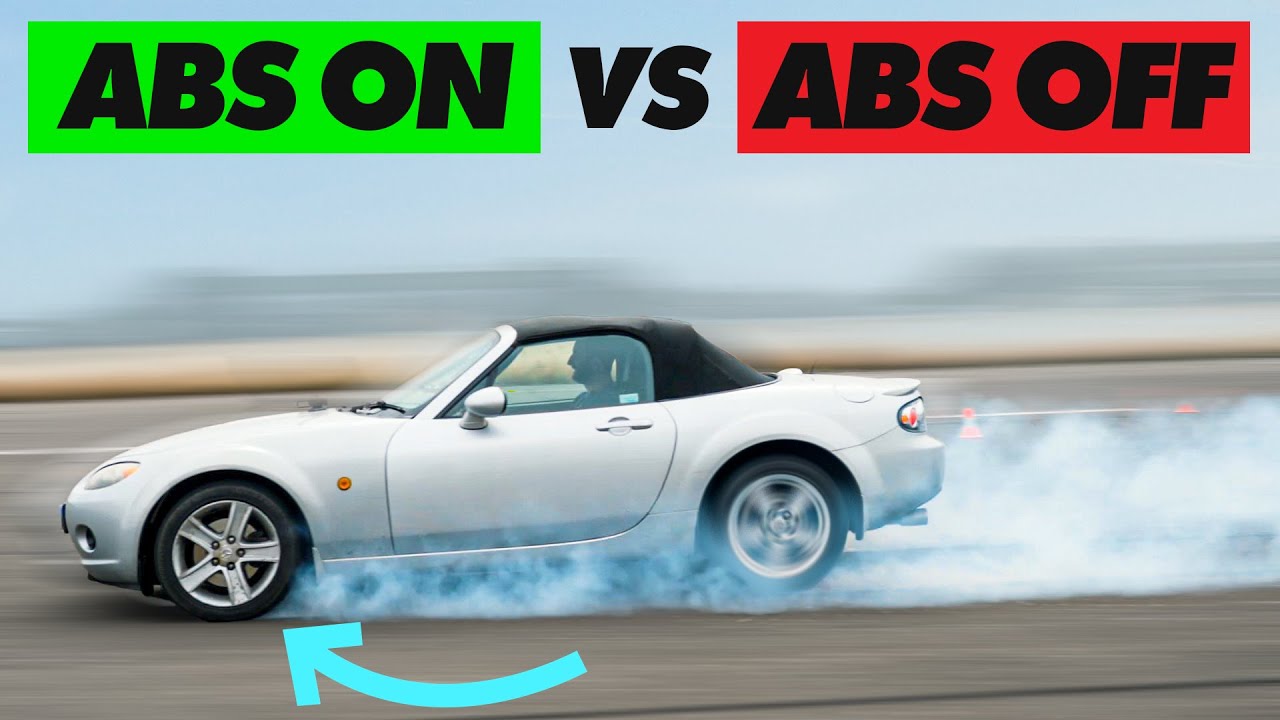
ABS can reduce stopping distance on slippery roads. It prevents wheels from locking up, allowing better grip. Non-ABS brakes may cause skidding, increasing stopping distance. On dry surfaces, the difference in distance is often small. ABS provides more consistent stopping in varied conditions.
Control And Stability
ABS improves control by preventing wheel lock. Drivers maintain steering ability during hard braking. Non-ABS systems may cause loss of control if wheels lock. Stability is especially important on wet or icy roads. ABS helps avoid accidents by keeping the car stable.
Cost And Maintenance
ABS systems are more complex and cost more to repair. They have sensors and electronic parts needing attention. Non-ABS brakes are simpler and cheaper to maintain. Regular checks and brake pad changes are needed for both types. ABS may add initial cost but can save money by preventing accidents.

Credit: ackodrive.com
Credit: www.youtube.com
Frequently Asked Questions
What Is The Main Difference Between Abs And Non-abs Brakes?
ABS brakes prevent wheel lock-up during hard stops; non-ABS brakes do not have this feature.
How Does Abs Improve Vehicle Safety?
ABS helps maintain steering control and reduces skidding on slippery roads.
Can Non-abs Brakes Cause Accidents More Often?
Non-ABS brakes may increase stopping distance and risk of skidding in emergencies.
Do Abs Brakes Require Special Maintenance?
ABS systems need regular checks but maintain brakes like non-ABS systems.
Is Abs Braking System More Expensive To Repair?
ABS repairs usually cost more due to sensors and electronic parts.
Conclusion
Choosing between ABS and non-ABS braking systems matters for safety. ABS helps prevent wheel lock during sudden stops. Non-ABS brakes can work well but need careful handling. Knowing the difference helps you make smart decisions. Your safety on the road depends on how your brakes perform.
Always consider your driving style and conditions. Brakes are key to control and confidence while driving. Stay informed and drive safely every time.


