

Last Updated on March 10, 2026
Have you ever noticed a warning light popping up on your dashboard and wondered what it means? That little alert is your Tire Pressure Monitoring System, or TPMS, keeping a close eye on your tires.
Understanding how TPMS works can save you from unexpected flats, improve your fuel efficiency, and keep you safer on the road. You’ll discover what TPMS is, why it matters, and how it helps protect you every time you drive. Keep reading—you’ll never ignore that warning light again.
How Tpms Works
Tire Pressure Monitoring Systems (TPMS) help drivers keep their tires at the right pressure. This system alerts you if a tire loses air. It makes driving safer and helps save fuel. Understanding how TPMS works can help you trust this technology.
Direct Vs Indirect Systems
There are two main types of TPMS: direct and indirect. Direct systems use sensors inside each tire. These sensors measure air pressure and send the data to the car’s computer. Indirect systems do not measure pressure directly. Instead, they use the car’s ABS sensors to monitor wheel speed. If a tire spins faster than others, it may have low pressure.
Sensor Placement
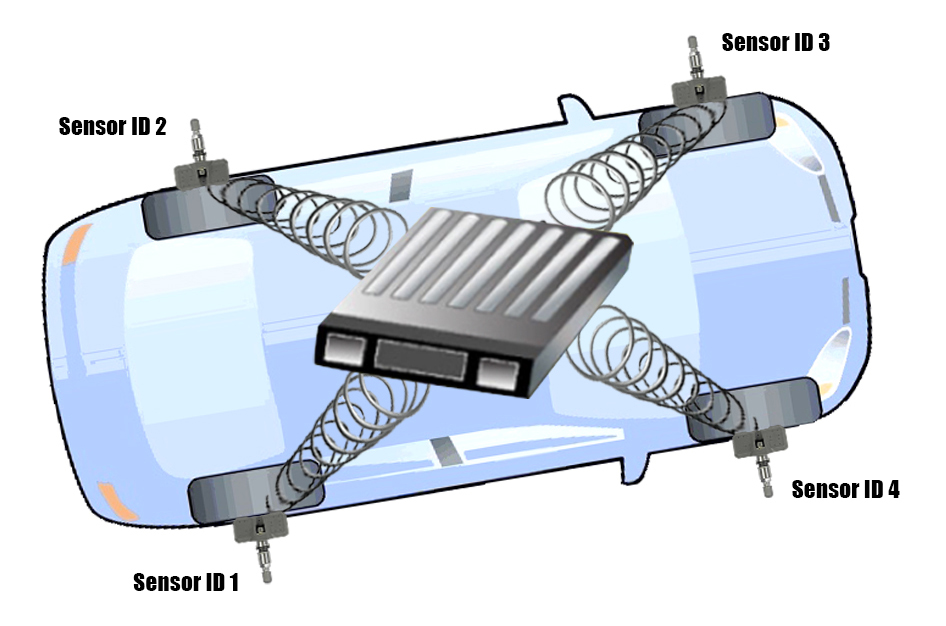
Direct TPMS sensors are placed inside the tire, usually on the valve stem. They sit on the wheel and measure air pressure constantly. Indirect systems do not use physical sensors in tires. They rely on the car’s existing wheel speed sensors. This means no extra parts inside the tire for indirect TPMS.
Data Transmission
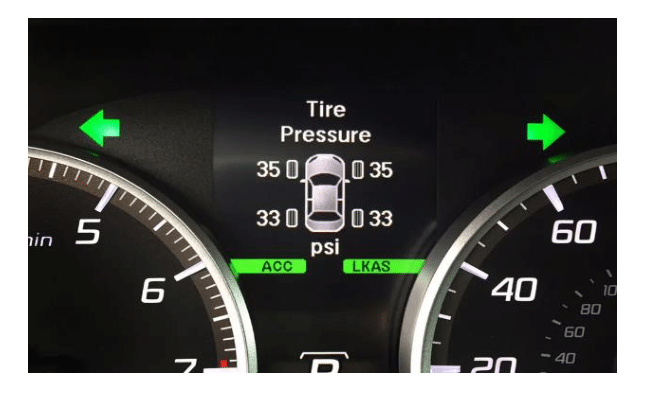
Direct TPMS sensors send pressure data wirelessly to the car’s computer. This happens in real-time while driving. The car then shows a warning if pressure is low. Indirect TPMS sends signals through the car’s ABS system. It uses software to detect pressure problems from wheel speed data. Both systems alert the driver quickly to keep tires safe.

Credit: en.wikipedia.org
Benefits Of Tpms
Tire Pressure Monitoring Systems (TPMS) offer clear benefits for drivers. They help keep tires at the right pressure. This improves driving safety and vehicle performance. TPMS alerts drivers about low tire pressure quickly. This prevents many common tire problems and saves money over time.
Safety Enhancements
TPMS warns about low tire pressure early. This reduces the risk of tire blowouts on the road. Properly inflated tires improve vehicle handling and braking. Drivers can react faster to unsafe conditions. TPMS helps avoid accidents caused by underinflated tires.
Fuel Efficiency
Low tire pressure increases rolling resistance. This makes the engine work harder and use more fuel. Keeping tires at the right pressure saves gas. TPMS helps maintain ideal tire pressure for better mileage. Fuel costs drop when tires stay properly inflated.
Tire Longevity
Underinflated tires wear out unevenly and faster. Overinflated tires also suffer from damage. TPMS keeps tire pressure balanced and steady. This extends tire life and delays the need for replacement. Proper tire care means fewer trips to the shop.
Common Tpms Issues
Tire Pressure Monitoring Systems (TPMS) help keep your tires safe and in good shape. They alert you when tire pressure is low, which protects you on the road. Despite their benefits, TPMS can face some common issues. Understanding these problems helps you maintain your system and avoid surprises.
Sensor Failures
TPMS sensors can fail due to damage or wear. Dirt, moisture, or road salt may cause corrosion. Sensors may also stop working after a tire change. A faulty sensor gives false readings or no alerts. Regular checks prevent sensor failures and keep your system reliable.
Battery Life
Most TPMS sensors run on small batteries. These batteries last 5 to 10 years. When the battery dies, the sensor stops sending signals. Replacing the sensor is usually necessary. Watch for warning lights that indicate battery problems.
Reset Procedures
After fixing tire pressure or replacing sensors, the TPMS needs a reset. Resetting clears old error messages. Some vehicles reset automatically after driving. Others need manual reset using a button or tool. Check your vehicle’s manual for the right reset method.
Credit: www.tires-easy.com
Credit: www.giga-tires.com
Frequently Asked Questions
What Is A Tire Pressure Monitoring System (tpms)?
TPMS is a device that checks tire pressure and warns if pressure is too low or high.
How Does Tpms Improve Vehicle Safety?
TPMS alerts drivers to unsafe tire pressure, helping prevent accidents and tire damage.
What Are The Types Of Tpms Available?
There are two types: direct TPMS uses sensors inside tires, indirect TPMS uses ABS sensors.
How Often Should Tpms Sensors Be Replaced?
TPMS sensors last about 5 to 10 years or 60,000 to 100,000 miles before replacement.
Can Tpms Save Fuel And Extend Tire Life?
Yes, proper tire pressure from TPMS improves fuel efficiency and makes tires last longer.
Conclusion
Tire Pressure Monitoring Systems help keep your tires safe and efficient. They alert you when pressure drops, avoiding accidents and tire damage. Proper tire pressure saves fuel and improves driving comfort. Understanding how TPMS works makes car care easier and smarter.
Keep your system checked regularly for best results. Safe driving starts with well-maintained tires and good pressure. Trust your TPMS to guide you on the road. Simple steps protect you and your vehicle every day.