

Last Updated on March 10, 2026
Is your car acting sluggish or refusing to start? Your battery might be the culprit.
Knowing how to test a car battery at home can save you time, money, and stress. Imagine avoiding unexpected breakdowns and being confident that your battery is in good shape. You’ll discover simple, clear steps to check your battery’s health using tools you probably already have.
Keep reading, and take control of your car’s power before it leaves you stranded.
Prepare For Testing
Preparing to test your car battery at home is an important first step. Proper preparation makes the process safer and easier. It helps you avoid mistakes and get accurate results.
This section guides you through the key tasks before starting the test. Clear preparation saves time and protects you from harm.
Gather Necessary Tools
Collect the right tools before testing your battery. You need a multimeter or a voltmeter to check voltage. Wear gloves to protect your hands from acid and dirt. A wrench or pliers help disconnect the battery terminals. Have a clean cloth ready to wipe any corrosion or dirt. Keep these tools close to avoid delays during the test.
Ensure Safety Precautions
Safety comes first when testing a car battery. Work in a well-ventilated area to avoid harmful fumes. Remove any metal jewelry to prevent short circuits. Always wear gloves and safety glasses for protection. Keep sparks, flames, and cigarettes away from the battery. Make sure your car is off and keys are out of the ignition. Follow these rules to stay safe during the process.
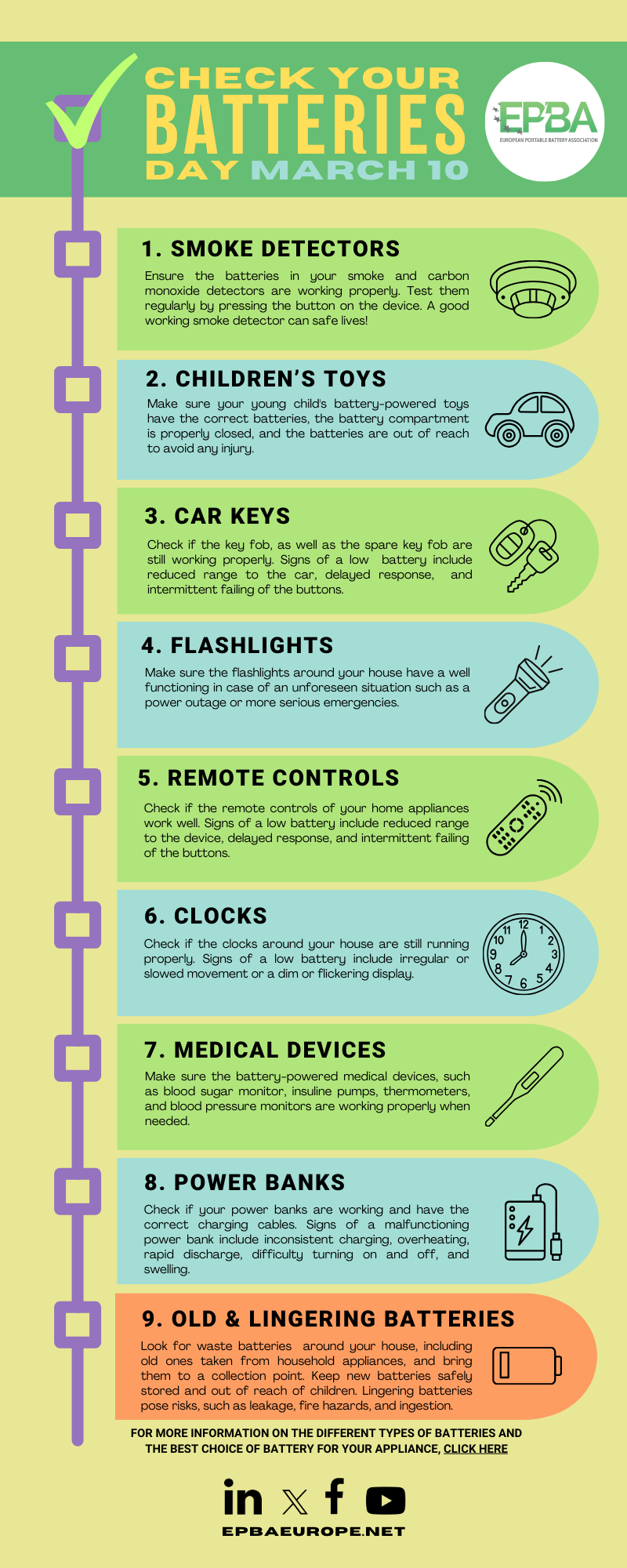
Credit: www.epbaeurope.net
Check Battery Voltage
Checking the battery voltage is a key step to test your car battery at home. It tells you if the battery has enough power or if it needs charging. This step requires simple tools and just a few minutes. Knowing the voltage helps avoid surprises like a dead battery on a cold morning.
Use A Multimeter
A multimeter is a small tool that measures voltage. Set it to DC voltage mode. Turn off your car before testing. Connect the red probe to the battery’s positive terminal. Touch the black probe to the negative terminal. Hold the probes steady. The screen will show the battery voltage.
Interpret Voltage Readings
A healthy car battery usually reads about 12.6 volts. A reading below 12.4 volts means the battery is partially discharged. If the voltage is under 12 volts, the battery is weak or dead. Readings above 12.7 volts show a fully charged battery. Use this information to decide if your battery needs charging or replacement.
Perform Load Test
Performing a load test on your car battery shows its true condition. This test checks how well the battery handles real work. It helps find hidden problems that a simple voltage test might miss. You can do this test at home with basic tools. Follow the steps carefully for accurate results.
Simulate Battery Load
First, connect a load tester or a heavy electrical device to the battery. This creates a real working condition for the battery. Turn on the device to draw power from the battery. Keep the load on for about 10 to 15 seconds. Watch the voltage closely during this time. Do not keep the load too long to avoid damage.
Analyze Test Results
Check the voltage while the battery is under load. A healthy battery should stay above 9.6 volts during the test. If voltage drops below this, the battery may be weak. A quick drop means the battery cannot hold charge well. Consider replacing the battery if results are poor. Remember to test the battery again after resting it for an accurate reading.

Credit: www.youtube.com

Credit: www.caranddriver.com
Frequently Asked Questions
How Can I Tell If My Car Battery Is Dead?
Look for slow engine crank, dim lights, or no power when starting the car.
What Tools Do I Need To Test A Car Battery At Home?
You need a multimeter or a battery tester for a quick and easy check.
How Do I Use A Multimeter To Test My Car Battery?
Set the multimeter to DC voltage, connect probes to battery terminals, and read the voltage.
What Voltage Shows A Healthy Car Battery?
A healthy battery reads about 12. 6 volts or higher when the engine is off.
Can A Car Battery Be Tested Without Special Tools?
Yes, by checking if the engine cranks slowly or the lights are dim.
Conclusion
Testing your car battery at home saves time and money. You can spot problems early and avoid being stranded. Follow each step carefully for accurate results. Keep your tools ready and safety first at all times. Regular checks help your car run smoothly.
Now, you know how to test your battery easily. Stay safe and confident on the road.