

Last Updated on March 10, 2026
Is your car acting up in ways you can’t explain? Strange noises, dimming lights, or a battery warning popping up on your dashboard could all point to one common problem: a failing alternator.
If you ignore these signs, you risk being stranded or facing costly repairs. But don’t worry—understanding the symptoms early can save you time, money, and stress. You’ll discover the key warning signs of a bad alternator and exactly what steps you should take to keep your car running smoothly.
Keep reading to protect yourself from unexpected breakdowns and stay in control of your vehicle’s health.
Credit: www.aaa.com
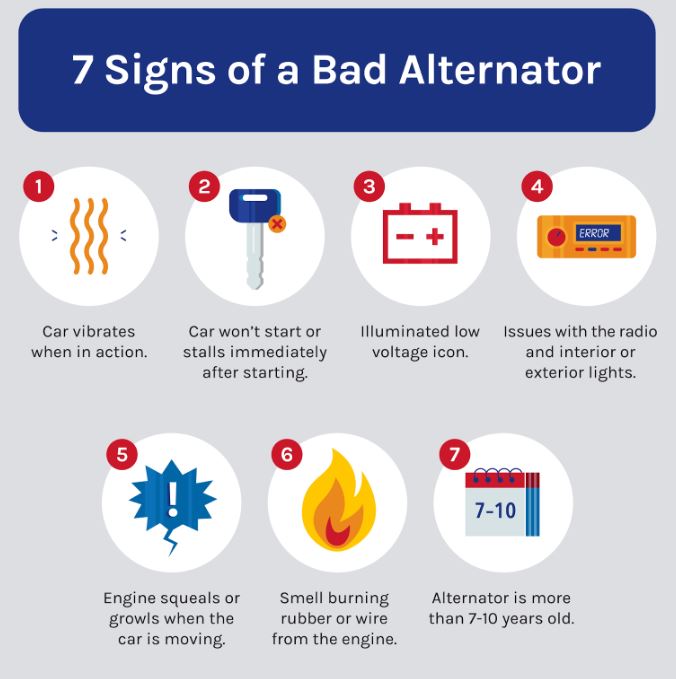
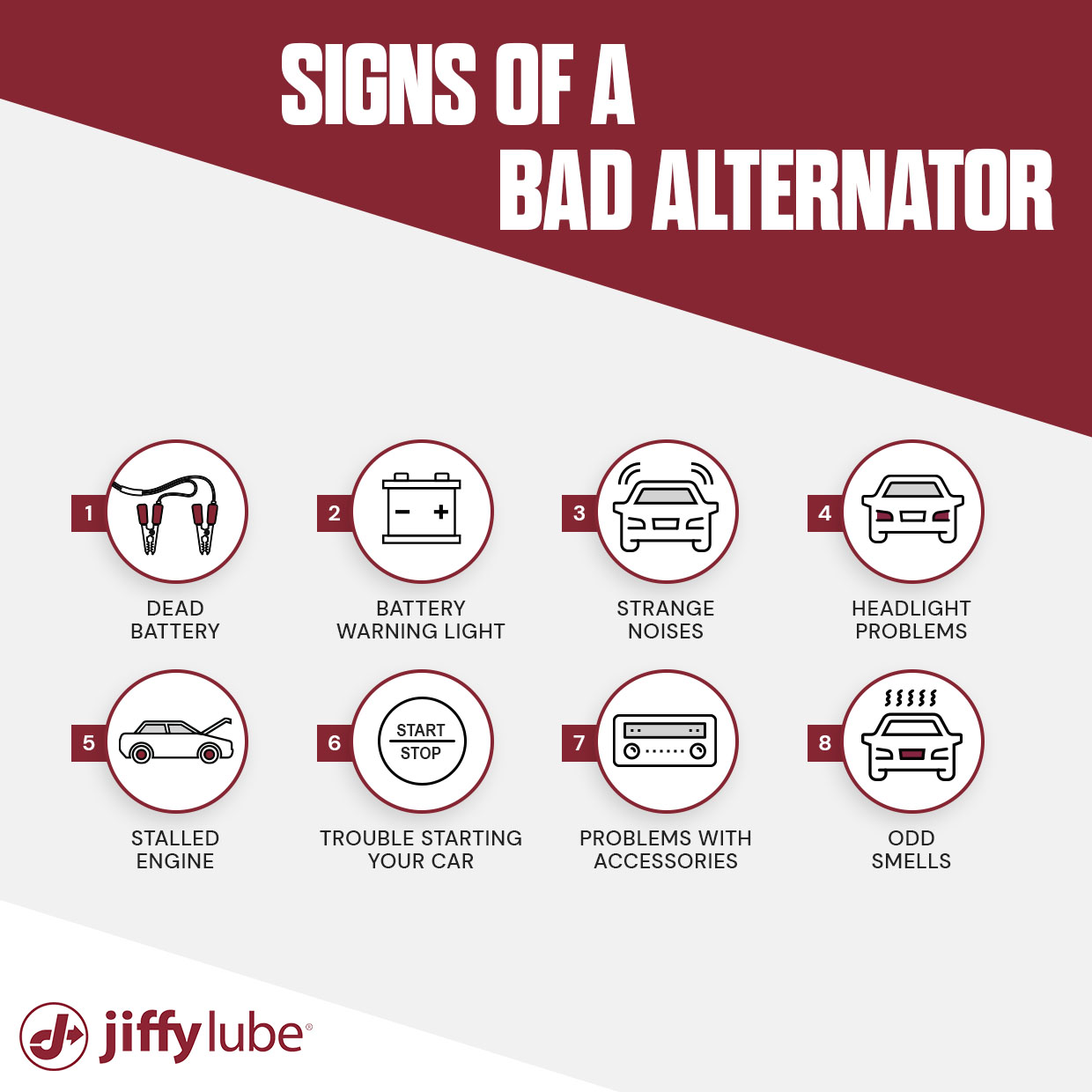
Signs Of Alternator Trouble
Recognizing the signs of a failing alternator can save you from being stranded. The alternator charges your car’s battery and powers electrical parts. When it starts to fail, many warning signs appear. These signs often show up before complete failure. Early detection helps you fix the problem fast.
Dim Or Flickering Lights
One common sign is dim or flickering headlights and dashboard lights. Lights may change brightness when you rev the engine. This happens because the alternator cannot supply steady power. It may cause unsafe driving conditions at night.
Dead Battery Issues
A weak or dead battery often points to alternator trouble. The alternator charges the battery while the engine runs. If it fails, the battery loses power quickly. You may find your car won’t start or needs frequent jump-starts.
Strange Noises
Listen for unusual sounds like grinding or whining from the engine area. These noises can mean the alternator bearings are worn out. Strange sounds often come before full alternator failure. Ignoring these noises risks a sudden breakdown.
Electrical Failures
Malfunctioning electrical components can indicate alternator problems. Power windows, radio, or air conditioning may work erratically. The alternator’s job is to keep these systems running smoothly. Electrical failures often worsen as the alternator weakens.

Credit: www.autotechiq.com
Causes Behind Alternator Failure
The alternator is a key part of your car’s electrical system. It keeps the battery charged and powers electrical parts. When it stops working well, your car may show warning signs. Many issues can cause alternator failure. Understanding these causes helps you know what to check and fix.
Worn Out Bearings
Bearings help the alternator spin smoothly. Over time, they wear out from constant use. Worn bearings cause noise and reduce alternator function. This wear leads to more friction and heat, which damages the alternator further.
Faulty Voltage Regulator
The voltage regulator controls the alternator’s power output. A faulty regulator can send too much or too little voltage. This imbalance harms the battery and other parts. It also makes the alternator fail faster.
Damaged Wiring
Wiring connects the alternator to the battery and car system. Wires can break or corrode over time. Damaged wiring causes poor electrical flow and alternator problems. Loose connections also stop the alternator from working properly.
Overheating
Heat is a major enemy of the alternator. Overheating happens if the alternator works too hard or cooling is poor. High temperatures damage internal parts and reduce alternator life. Heat can cause the alternator to stop working suddenly.
Steps To Take When Alternator Fails
The alternator is key for your car’s electrical system. When it fails, the car may stop working soon. Acting fast can save you from bigger troubles. Knowing the right steps helps you handle this problem safely.
Follow simple actions to check and fix minor issues. Sometimes, you might need expert help. Temporary fixes can keep you going until proper repair. Regular care can prevent alternator failure in the future.
Perform Basic Checks
Start by checking the battery connections. Loose or corroded cables can cause power issues. Look at the alternator belt for cracks or wear. A slipping belt reduces alternator output. Use a voltmeter to test battery voltage. Low voltage can mean alternator trouble. These quick checks may reveal easy fixes.
Seek Professional Help
Visit a mechanic if problems persist. They have tools to test alternator performance. Professionals can diagnose hidden electrical faults. Repair or replacement ensures reliable car operation. Timely help avoids sudden breakdowns on the road.
Temporary Fixes
Turn off all non-essential electronics in the car. This reduces the load on the alternator. Avoid using the car for long trips. Keep a portable battery charger handy for emergencies. These steps help you reach a safe place. They are not permanent solutions.
Preventive Maintenance
Check the alternator belt regularly for tightness and wear. Clean battery terminals to keep good contact. Have your electrical system inspected yearly. Replace worn parts before they fail. Regular maintenance extends alternator life and prevents surprises.
Credit: www.jiffylube.com
Frequently Asked Questions
What Are Common Symptoms Of A Failing Alternator?
Dimming lights, dead battery, and strange noises often signal a bad alternator.
How Does A Failing Alternator Affect Car Performance?
It can cause engine stalling, weak electrical systems, and poor battery charging.
Can A Bad Alternator Drain The Car Battery?
Yes, a failing alternator can’t recharge the battery properly, causing it to drain.
How To Test If The Alternator Is Failing?
Use a multimeter to check voltage; low or unstable readings suggest alternator issues.
What Should I Do If My Alternator Is Failing?
Visit a mechanic quickly to repair or replace the alternator and avoid breakdowns.
Conclusion
A failing alternator shows clear signs you should not ignore. Strange noises, dim lights, and battery warning lights often appear first. Acting quickly can prevent bigger car problems later. Visit a mechanic to check and fix the issue. Regular car care helps avoid sudden breakdowns.
Stay aware of your vehicle’s signals to keep it running smoothly. Don’t wait until your car won’t start. Taking simple steps saves time and money in the long run.