

Last Updated on March 10, 2026
Have you ever wondered why your car’s electrical fuses keep blowing? It’s frustrating, isn’t it?
One moment everything works fine, and the next, your car’s lights flicker or the radio suddenly cuts out. This constant fuse failure isn’t just an annoyance—it’s a warning sign. Understanding why this happens can save you from unexpected breakdowns and costly repairs.
Keep reading, and you’ll discover the common causes behind blown fuses and how you can fix them before they cause bigger problems. Your car—and your peace of mind—depend on it.
Common Fuse Problems
Car fuses protect your vehicle’s electrical system from damage. They stop too much current from flowing through wires. But sometimes, fuses keep blowing. This means there is a problem with the electrical system. Common fuse problems can cause this. Understanding these issues helps you fix the problem faster.
Most fuse issues fall into three categories. These include overloaded circuits, short circuits, and faulty electrical components. Each causes fuses to blow frequently. Let’s explore these common fuse problems in detail.
Overloaded Circuits
Overloaded circuits happen when too many devices draw power at once. The fuse cannot handle the high current. It blows to protect the wires and devices. This problem often occurs with added accessories like extra lights or sound systems. Removing or upgrading the fuse and wiring can solve this issue.
Short Circuits
Short circuits occur when wires touch each other or metal parts. This causes a sudden surge of electricity. The fuse blows to stop damage and fire risk. Short circuits can happen from damaged insulation or loose connections. Finding and fixing the broken wires stops the fuse from blowing repeatedly.
Faulty Electrical Components
Faulty parts inside the car can draw too much current. This makes the fuse blow often. Common faulty components include switches, motors, and sensors. Testing these parts helps find the faulty one. Replacing bad components keeps the electrical system safe and stable.

Credit: www.youtube.com
Signs Of Electrical Issues
Electrical issues in a car often show clear signs before becoming serious. Noticing these signs early can save you from costly repairs and keep your car running smoothly. Watch for unusual behavior in your car’s electrical system. These signs point to underlying problems that need attention quickly.
Frequent Fuse Failures
Fuses protect your car’s electrical circuits. If a fuse blows often, it signals a problem. The circuit might have a short or an overload. Replacing fuses repeatedly is not normal. This issue needs a thorough check to find the cause.
Dim Or Flickering Lights
Headlights, dashboard lights, or interior lights that dim or flicker indicate electrical trouble. This can mean poor wiring or a weak battery. Flickering lights reduce visibility and safety. Fixing this early prevents bigger electrical failures.
Malfunctioning Accessories
Accessories like power windows, radios, or seat heaters may stop working properly. They might work only sometimes or feel slow. This behavior shows a problem in the electrical circuit. Ignoring these signs can lead to complete accessory failure.
Preventive Measures
Preventive measures help stop your car’s fuses from blowing often. Taking steps early protects your vehicle’s electrical system. It saves money and avoids breakdowns. Simple habits keep your car running smoothly.
Regular Inspections
Check your fuses regularly for signs of damage or wear. Look for discoloration or burns on the fuse. Inspect the fuse box for moisture or dirt. Early detection prevents bigger electrical problems later. Make it a habit to glance at fuses during routine car checks.
Proper Fuse Replacement
Always replace blown fuses with the correct type and rating. Using the wrong fuse can cause more damage. Match the fuse amperage with the manufacturer’s specifications. Avoid cheap or generic fuses that may fail quickly. Correct replacements ensure stable electrical flow.
Professional Electrical Repairs
Seek help from a qualified mechanic for complex electrical issues. Professionals can find hidden wiring problems causing fuse failures. They use the right tools to fix circuits safely. Do not ignore persistent fuse blowing; it signals deeper faults. Expert repairs protect your car’s safety and performance.
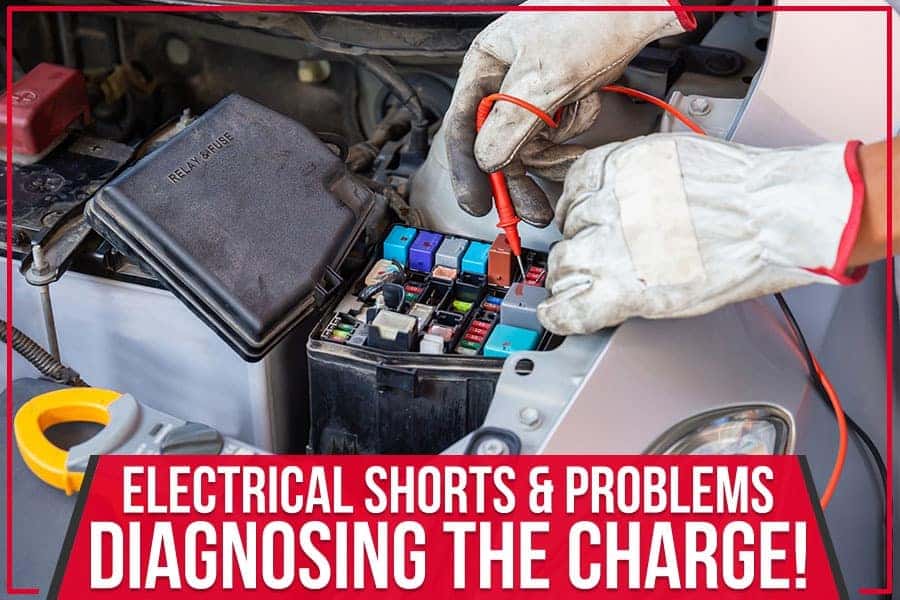
Credit: www.easternshoretoyota.com
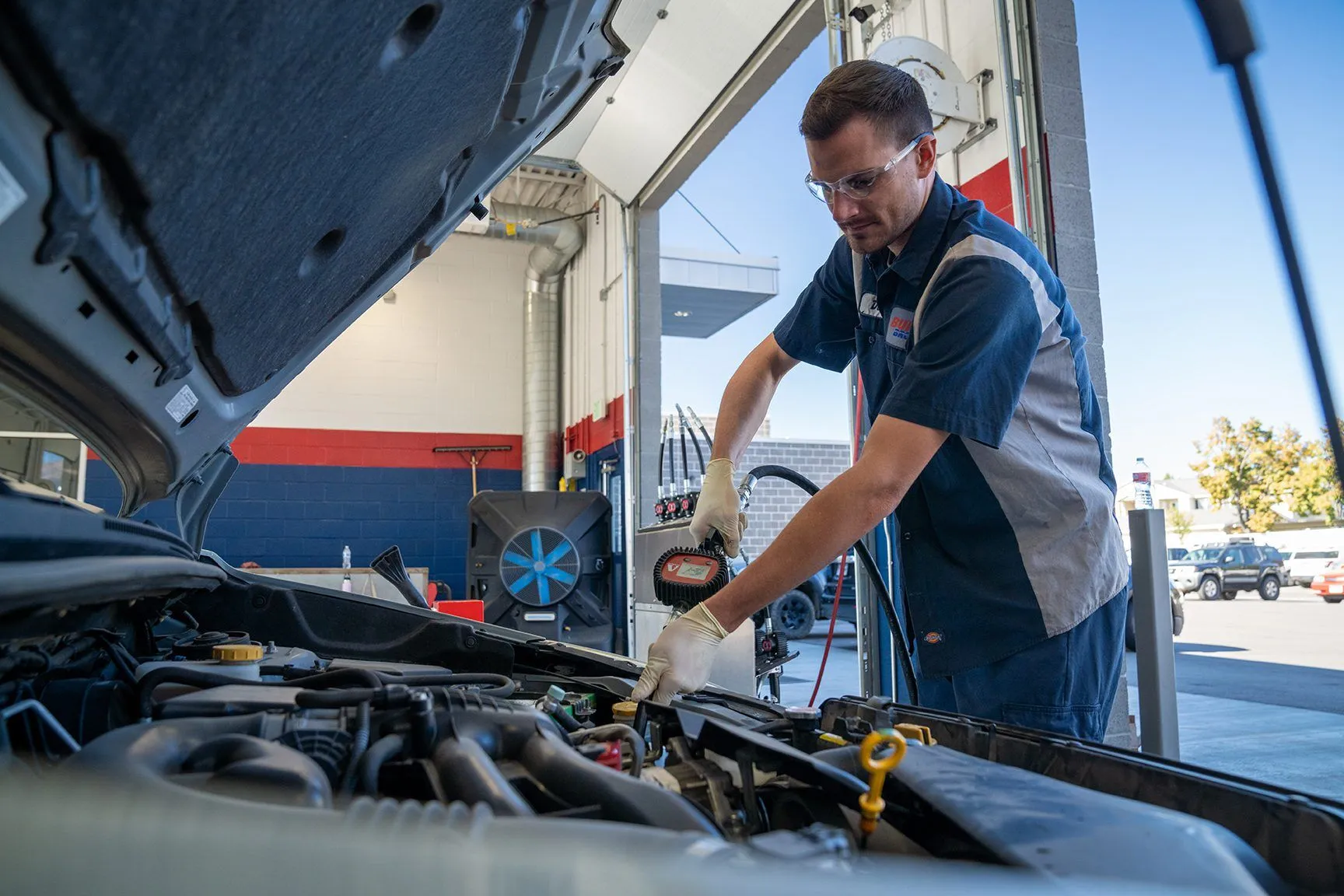
Credit: burtbrothers.com
Frequently Asked Questions
Why Do Car Fuses Blow Repeatedly?
Repeated fuse blowing means an electrical short or overload in the circuit.
How Can I Find The Cause Of Blown Fuses?
Check wiring, switches, and devices for damage or loose connections.
What Happens If I Use The Wrong Fuse Size?
Wrong fuse size risks electrical damage or fire by not protecting circuits.
Can Old Wiring Cause Fuses To Blow Often?
Yes, worn or damaged wires increase chances of short circuits and fuse failure.
Should I Replace Blown Fuses Myself Or Call A Mechanic?
Simple fuse replacements are okay, but persistent issues need a professional inspection.
Conclusion
Blown fuses can cause many car problems. They often signal an electrical issue that needs fixing. Check your wiring and devices for faults. Avoid guessing, as it can lead to more damage. Regular car checks help prevent fuse problems. Stay alert to signs like flickering lights or dead accessories.
Fixing the root cause saves time and money. Keep your car’s electrical system safe and reliable. Don’t ignore repeated fuse failures. Taking quick action keeps your car running smoothly.