

Last Updated on March 10, 2026
Choosing the right wheels for your vehicle can feel overwhelming. You want something that looks good, performs well, and fits your budget.
That’s where the big question comes in: alloy wheels or steel wheels? Each has its own strengths and weaknesses, and what works best for you might surprise you. You’ll discover the real pros and cons of alloy wheels versus steel wheels, helping you make a smart choice that suits your style and driving needs.
Keep reading—you might find the perfect fit is different from what you expected.
Benefits Of Alloy Wheels
Alloy wheels offer several advantages over steel wheels. They improve driving experience and vehicle look. These benefits make them popular among car owners. Understanding these benefits helps in making the right wheel choice.
Weight And Performance
Alloy wheels are lighter than steel wheels. This reduces the car’s overall weight. Less weight means better fuel efficiency. It also improves acceleration and braking. Lighter wheels reduce strain on suspension parts. This leads to smoother handling and driving comfort.
Aesthetic Appeal
Alloy wheels come in many designs and finishes. They enhance the car’s appearance instantly. Shiny or matte finishes add style and class. Custom designs allow personalizing the vehicle look. Many people prefer alloy wheels for their modern and sleek appearance.
Heat Dissipation
Alloy wheels dissipate heat better than steel ones. This helps keep brakes cooler during driving. Cooler brakes perform better and last longer. Heat dissipation reduces the risk of brake failure. It is especially useful in high-speed or rough road conditions.

Credit: www.discountedwheelwarehouse.com
Advantages Of Steel Wheels
Steel wheels offer several clear benefits that make them a popular choice for many drivers. They are known for their strong build and practical use. Many people choose steel wheels for everyday driving and tough road conditions. Let’s explore the main advantages of steel wheels.
Durability And Strength
Steel wheels are tough and can handle rough roads well. They resist dents and bends better than many other wheels. This strength helps keep the wheels safe from damage. Steel wheels perform well in harsh weather and rough terrain. They last longer without needing much care.
Cost Effectiveness
Steel wheels cost less to buy than alloy wheels. This makes them a budget-friendly option for many car owners. Their simple design means lower manufacturing costs. Choosing steel wheels can save money upfront and over time. They offer good value for everyday use.
Ease Of Repair
Fixing steel wheels is usually simple and affordable. They can be hammered back into shape if bent. Repair shops often find it easier to work on steel wheels. This lowers repair expenses and keeps the wheels usable. Steel wheels can stay on the road longer with basic repairs.
Choosing Between Alloy And Steel
Choosing between alloy and steel wheels depends on several factors. Each type has unique benefits and drawbacks. Understanding these can help you decide the best option for your vehicle and needs.
Driving Conditions
Alloy wheels perform well on smooth roads and highways. They offer better handling and improved fuel efficiency. Steel wheels are tougher for rough roads and off-road driving. They resist dents and damage from stones and bumps. Pick wheels that match your usual driving environment.
Budget Considerations
Steel wheels cost less to buy and replace. They are a practical choice for tight budgets. Alloy wheels are pricier but add style and performance. Consider how much you want to spend on wheels before buying.
Maintenance Needs
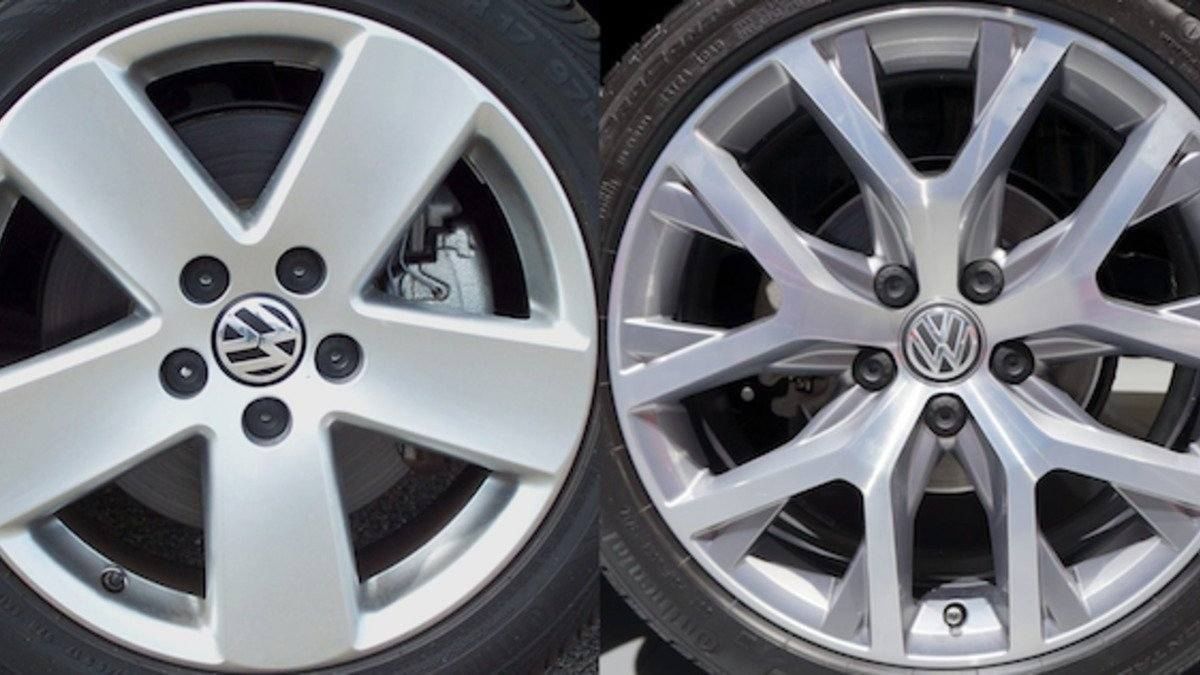
Alloy wheels need more care to avoid scratches and corrosion. They require regular cleaning to keep their shine. Steel wheels are easier to maintain and repair. Rust can be a problem but is manageable with paint or coating. Think about how much time you can spend on upkeep.
Credit: www.spinny.com

Credit: www.youtube.com
Frequently Asked Questions
What Are The Main Differences Between Alloy And Steel Wheels?
Alloy wheels are lighter and look stylish. Steel wheels are heavier and more durable.
Which Wheel Type Is Better For Fuel Efficiency?
Alloy wheels improve fuel efficiency due to their lighter weight compared to steel wheels.
Do Alloy Wheels Cost More Than Steel Wheels?
Yes, alloy wheels are generally more expensive than steel wheels.
Are Steel Wheels Stronger Than Alloy Wheels?
Steel wheels are tougher and resist damage better but weigh more than alloy wheels.
Which Wheels Need Less Maintenance, Alloy Or Steel?
Steel wheels need less care but can rust. Alloy wheels need more cleaning but resist rust.
Conclusion
Alloy wheels offer better style and lighter weight. Steel wheels are stronger and cost less. Both have benefits and drawbacks to consider. Choose based on your budget and driving needs. Durability, appearance, and price matter most. Think about where and how you drive.
This helps pick the best wheel for you. Every driver’s choice can be different. Knowing the facts leads to smart decisions.