

Last Updated on March 10, 2026
Have you ever wondered what keeps your car’s engine running smoothly under all that pressure and heat? The answer lies in a small but crucial part called the head gasket.
This tiny piece plays a big role in your engine’s health, and when it fails, it can cause serious problems — and expensive repairs. If you want to protect your car and avoid unexpected breakdowns, understanding what a head gasket is and why it fails is a must.
Keep reading to discover how this hidden hero works and what signs you should never ignore.
Credit: www.telletire.com
Head Gasket Basics
The head gasket is a small but very important part of a car engine. It sits between the engine block and the cylinder head. This gasket creates a seal. It keeps the engine fluids separated and stops leaks. Without it, the engine cannot run properly.
Understanding the head gasket helps to know why it might fail. Let’s look at its basic role and what it is made of.
Function In Engine
The head gasket seals the space between the engine block and cylinder head. It keeps oil, coolant, and combustion gases apart. This prevents mixing of fluids, which can damage the engine. The gasket also holds pressure inside the cylinders. This pressure is needed to power the car.
It must withstand heat and pressure while keeping the engine parts tightly joined. A good seal helps the engine work efficiently and reduces wear.
Materials Used
Head gaskets are made from strong, heat-resistant materials. Older gaskets were made of asbestos, but now safer materials are used. Common types include multi-layer steel (MLS), composite, and copper.
MLS gaskets have several thin steel layers. This makes them durable and able to handle high pressure. Composite gaskets use a mix of materials like graphite and rubber. Copper gaskets are strong but less common in regular cars.
The choice of material affects the gasket’s performance and lifespan. Strong materials help prevent leaks and damage under tough conditions.
Common Causes Of Failure
The head gasket plays a vital role in your engine’s performance. It seals the space between the engine block and cylinder head. Over time, various factors can cause it to fail. Understanding these causes helps you prevent costly repairs and keep your engine healthy.
Overheating Issues
Overheating is a top reason for head gasket failure. High engine temperatures cause the gasket material to weaken. This leads to cracks or breaks in the gasket. Coolant leaks or a failing radiator often cause overheating. Regularly check your cooling system to avoid this problem.
Improper Installation
Incorrect installation can damage the head gasket. If the gasket is not aligned properly, it won’t seal correctly. Using the wrong tools or parts also causes issues. Always follow the manufacturer’s instructions during installation. Professional help can ensure the gasket fits perfectly.
Wear And Tear
Over time, the head gasket wears down naturally. Constant engine heat and pressure affect its strength. Older cars are more likely to experience gasket failure. Regular maintenance can extend the life of the gasket. Watch for signs like coolant leaks or engine misfires.
Signs Of A Blown Head Gasket
Recognizing the signs of a blown head gasket can save your engine from severe damage. This problem affects engine performance and safety. Knowing the symptoms helps you act fast and avoid costly repairs.
Engine Overheating
An overheated engine is a common sign of a blown head gasket. The gasket stops coolant from leaking. When it fails, coolant escapes, causing the engine to heat up quickly. Watch the temperature gauge closely. Frequent overheating means trouble under the hood.
White Smoke From Exhaust
White smoke coming from the exhaust pipe often signals a head gasket issue. This smoke is steam caused by coolant entering the combustion chamber. It looks like thick, white fog. This sign is easy to spot and should not be ignored.
Loss Of Power
A sudden loss of engine power can indicate a blown head gasket. The engine struggles to burn fuel correctly. This reduces acceleration and overall performance. Your car may feel weak or sluggish on the road.

Credit: www.reddit.com

Credit: farmmachinerydigest.com
Frequently Asked Questions
What Is The Main Function Of A Head Gasket?
The head gasket seals the engine block and cylinder head to prevent leaks of oil, coolant, and combustion gases.
Why Do Head Gaskets Commonly Fail?
Head gaskets fail due to engine overheating, poor installation, or wear and tear over time.
How Can I Tell If My Head Gasket Is Blown?
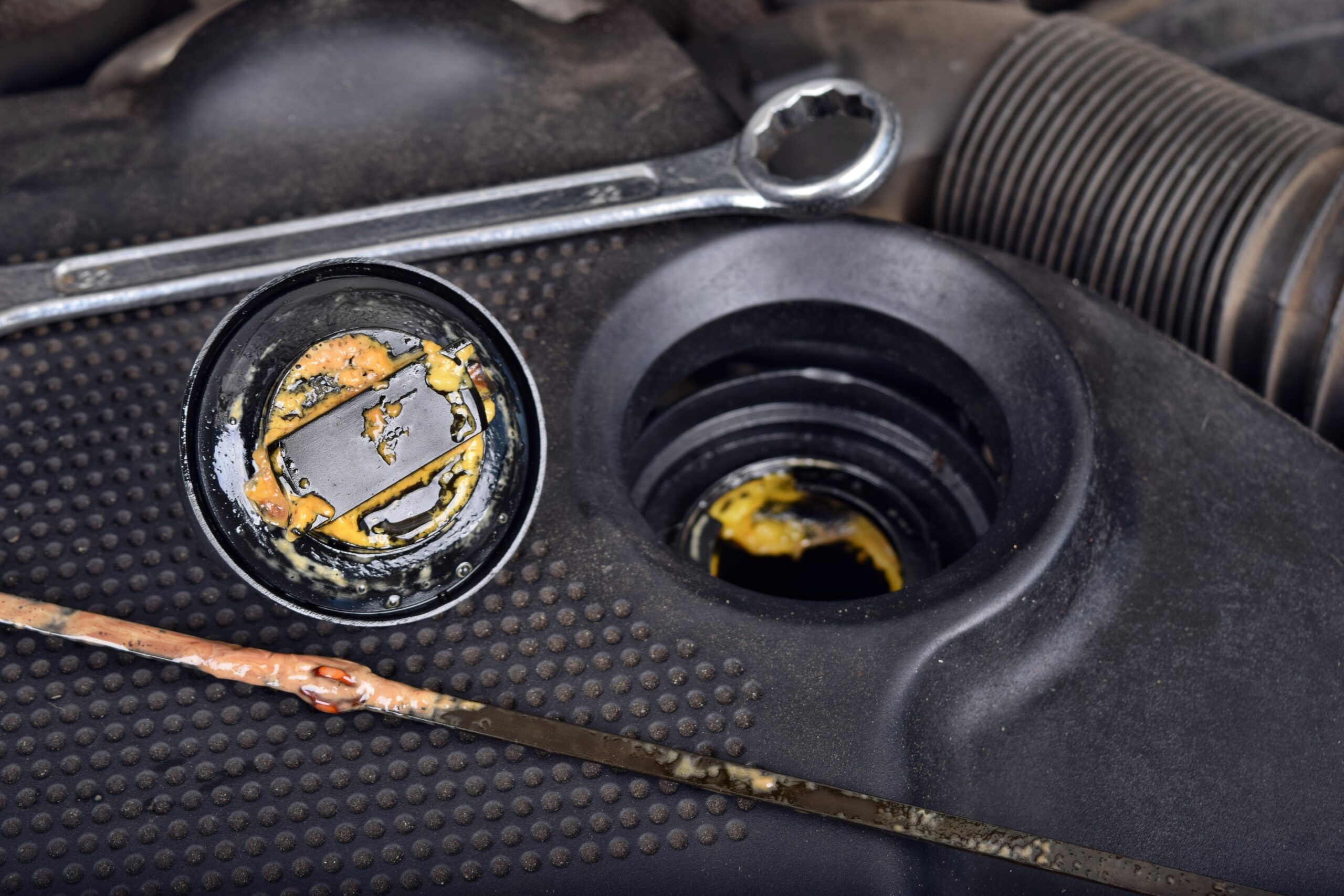
Look for symptoms like white smoke, engine overheating, or milky oil in the dipstick.
Can A Blown Head Gasket Damage My Engine?
Yes, it can cause severe engine damage if not fixed quickly, leading to costly repairs.
How Is A Head Gasket Replaced Or Repaired?
Replacement involves removing the cylinder head, cleaning surfaces, and installing a new gasket carefully.
Conclusion
A head gasket seals important parts of your engine. It keeps coolant and oil from mixing. Over time, heat and pressure can damage it. This causes leaks and engine problems. Regular checks help spot issues early. Fixing a bad head gasket saves money later.
Understanding its role helps you care for your car. Keep your engine healthy and running smooth. Simple steps prevent costly repairs down the road. Knowing why it fails helps you stay prepared.